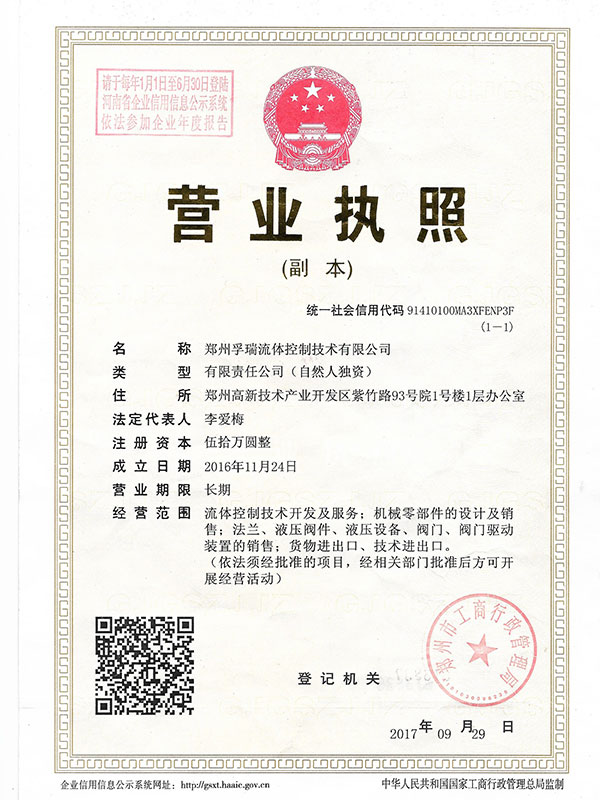
Feb 23,2026 From: Zhengzhou Free Fluid Control Technology Co.,Ltd
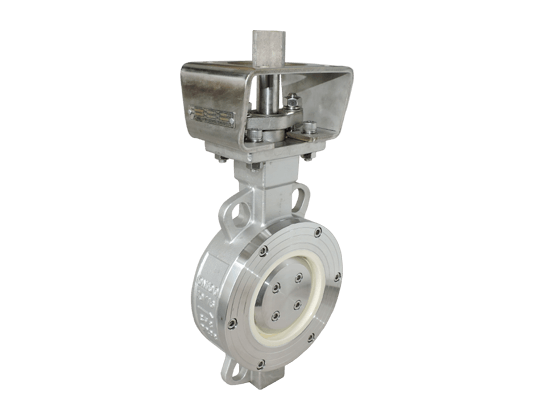
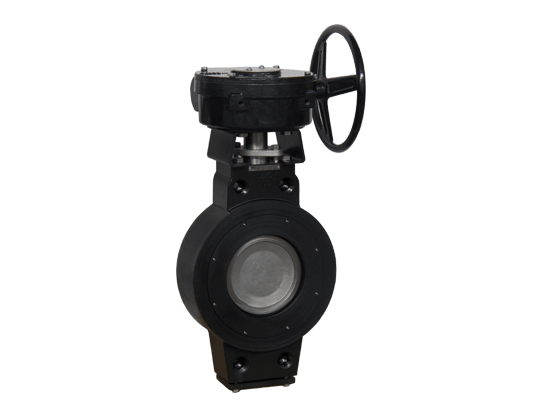
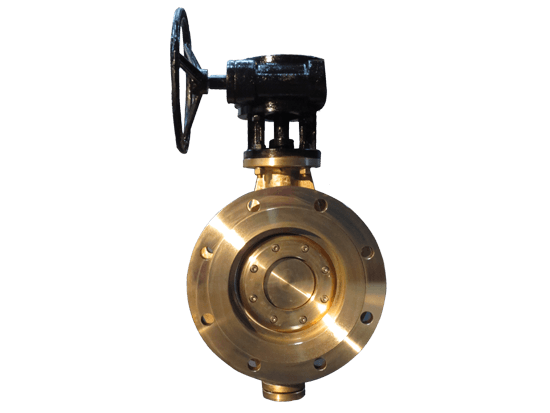
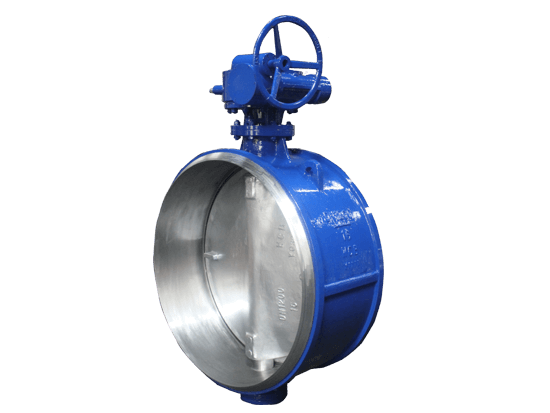
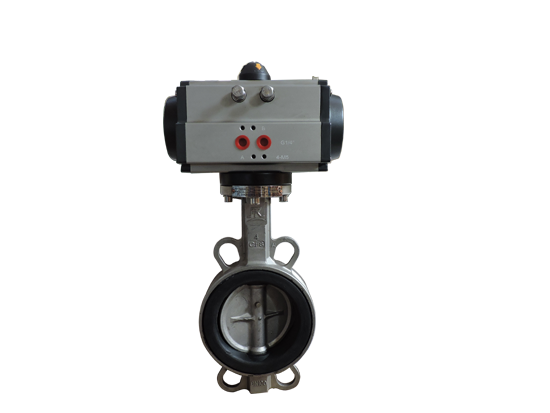
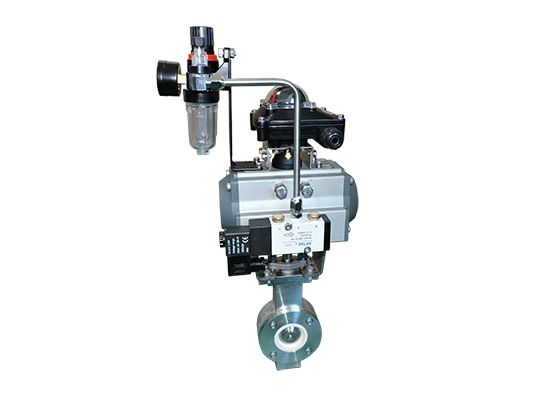
The fluorine-plastic lined butterfly valve is a type of valve whose disc is a disc-shaped butterfly plate that rotates around a fixed shaft within the valve body to open, close, and regulate the fluid passage. A layer of fluorine is lined on the flow path surface of the butterfly valve to isolate the corrosive medium from direct contact with the metal body, it is referred to as a fluorine-lined butterfly valve.
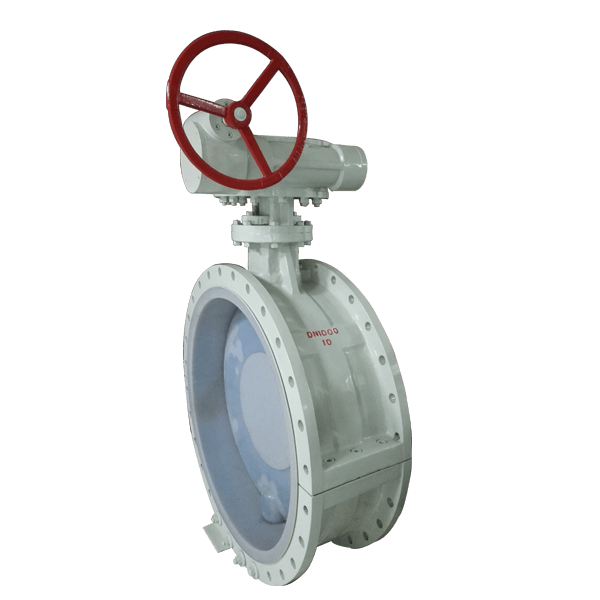
Fluorine-lined butterfly valves feature a simple structure, compact size, light weight design, small installation dimensions, quick opening and closing with 90° reciprocating rotation, and easy-to-operate driving mechanisms. They are used for isolating, connecting, or regulating corrosive media in pipelines, offering excellent fluid control characteristics and tight sealing performance. The streamlined design of the disc reduces fluid resistance, making it an energy-saving product.
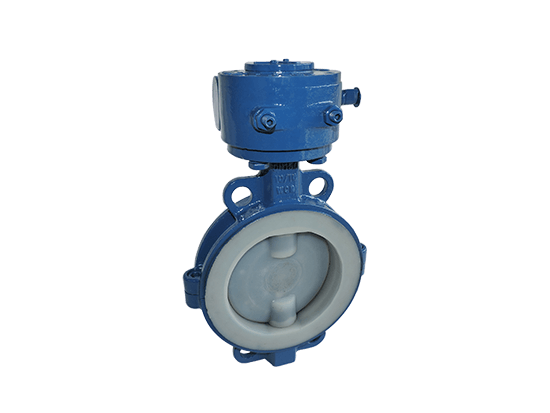
The structural design of fluorine lined butterfly valves is primarily of the centerline seal type, This configuration ensures concentric alignment between the entire butterfly plate and valve seat across a 360° circumference, providing bidirectional sealing performance and allowing free regulation of flow. Most centerline butterfly valves use an interference seal structure, where a fluorine liner ring is embedded in the valve body seat, with rubber backing behind the liner to enhance elasticity. The valve body adopts a split-type structural design,the liner ring is replaceable, facilitating maintenance. Depending on service requirements, the disc can be made of stainless steel, or the fluorine can be encapsulated over a carbon steel disc.
Due to its interference forced-sealing design, the centerline butterfly valve has limited pressure applicability and is typically used under conditions where PN ≤ 1.0 MPa. As the nominal size increases, the allowable working pressure decreases accordingly. The flange face of a fluorine-lined butterfly valve serves as the sealing surface for the pipeline flange. Therefore, during installation, adding an extra fluorine gasket between the two flange faces may compromise the sealing performance and is unnecessary.
Fluorine-lined butterfly valves feature compact structure with short face-to-face length and low overall height,offering rapid opening and closing, low fluid resistance when fully open, and enable sensitive flow control when opened between approximately 15°~70°. The structural principle is particularly well-suited for manufacturing large-diameter valves.
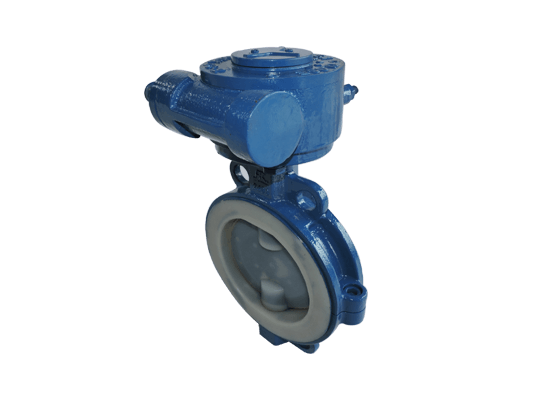
Early butterfly valves mostly used natural rubber for the seat seal, offering excellent sealing performance but limited to relatively low temperatures—around 70°C—and pressures up to PN≤10. The introduction of synthetic rubber improved performance, raising the maximum operating temperature to approximately 120°C and pressure rating to 1.6 MPa, along with enhanced resistance to corrosion and wear. These valves remain widely used in drainage industries today. With the rapid development of the chemical industry, the emergence of fluorine further advanced butterfly valve capabilities. Valves featuring PTFE seats now operate at temperatures up to 180°C, with significantly improved pressure ratings, and offer outstanding resistance to strong acids, strong alkalis, and chemical solvents.
.png)
.png)