Research and precautions on valve lining materials
Oct 31,2025 From: Zhengzhou Free Fluid Control Technology Co.,Ltd
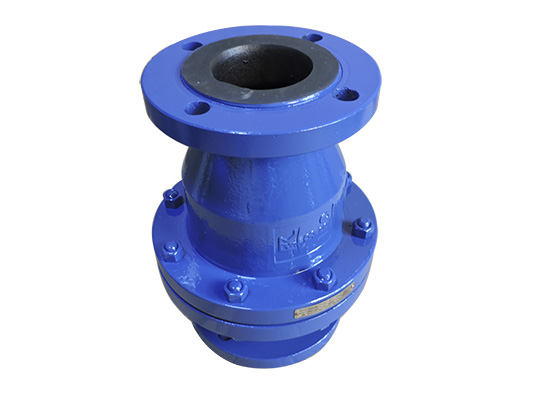
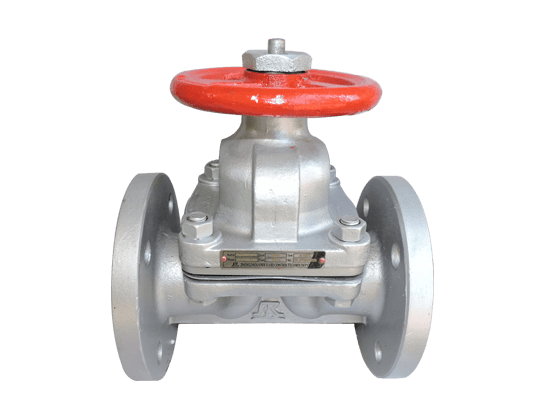
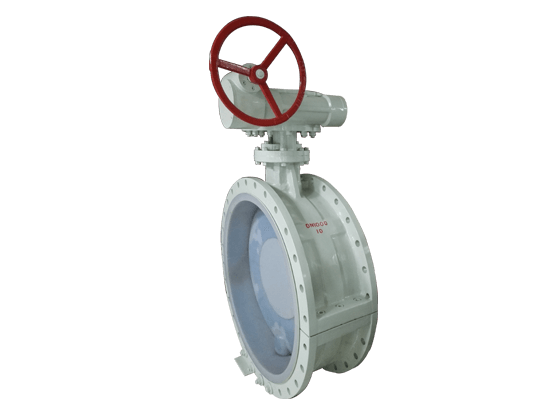
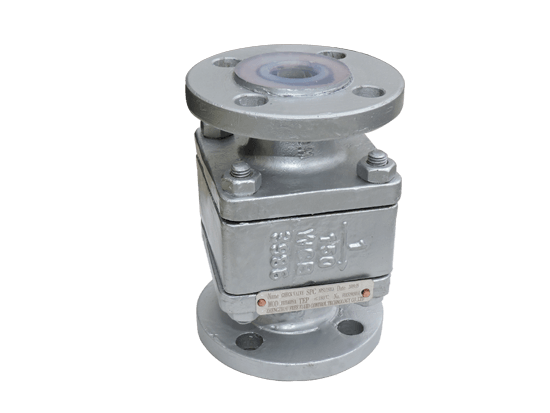
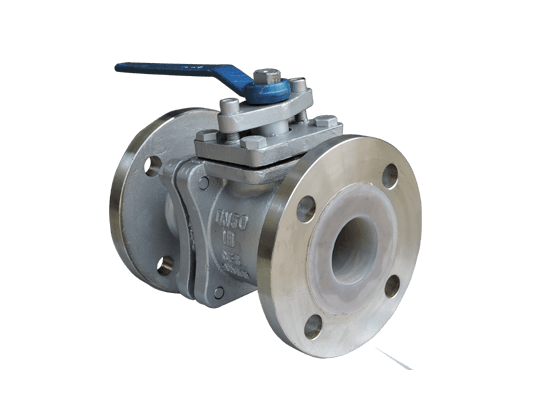
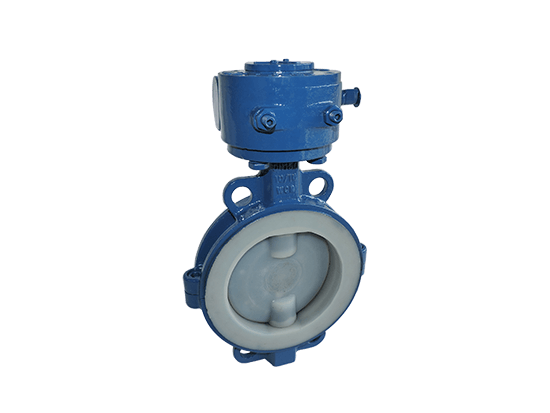
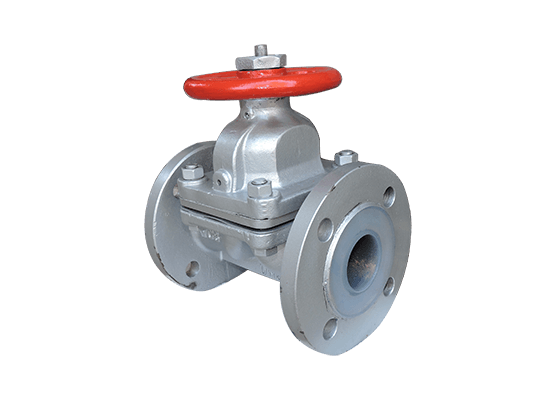
Fluorine-lined valves are widely used corrosion-resistant valves, with linings typically manufactured using the molding sintering process or injection molding process. In the petrochemical industry, Fluorine-lined valves are primarily used to control corrosive or highly corrosive media. The steel valve body cavity is coated with various fluoroplastics materials , effectively isolating the metal components from the highly corrosive medium. Fluorine-lined valves are suitable for different working temperatures and fluid piping systems, featuring high strength and excellent corrosion resistance. This design overcomes the limitations of low mechanical strength in fluoroplastics, which makes them difficult to withstand high-pressure media, while also resolving the issue of steel valve components being susceptible to corrosion.
1.Selection of suitable anti-corrosion lining materials for valves
Currently, fluoroplastics such as PTFE, PFA, and FEP are widely used for valve linings. Although various fluoroplastic linings all exhibit strong acid and alkali resistance, their sticky flow temperatures and melt viscosities differ significantly, resulting in different processing temperature ranges. Therefore, injection-molded lining materials must have a wide processing temperature range and appropriate sticky flow temperature and melt viscosity.
PTFE exhibits exceptional chemical stability,being resistant to almost all strong acids, alkalis, and organic solvents.Whether in highly concentrated sulfuric acid, hydrochloric acid, or strong alkaline solutions, PTFE can maintain the integrity of its chemical structure without undergoing chemical reactions, dissolution, or degradation.Due to its high melt viscosity, PTFE is suitable for molding and sintering processes.
PFA demonstrates high resistance to almost all chemicals, including strong acids, strong alkalis, organic solvents, and oxidizers. It is virtually impervious to acids, alkalis, salts, and other corrosive agents. PFA also exhibits excellent anti-adhesion properties,resisting adhesion to most adhesives and paints. PFA significantly lower melt viscosity compared to PTFE,its can be easily processed through conventional thermoplastic methods such as injection molding and compression sintering.
FEP, a copolymer of tetrafluoroethylene and hexafluoropropylene (also known as fluoroplastic 46 or F46), is a fully fluorinated polymer typically composed of 83% tetrafluoroethylene and 17% hexafluoropropylene.
2.Precautions for fluorine lined valves
There are many factors that affect the service life of fluorine-lined valves, primarily depending on how user operate the valves. It is essential to pay attention to the relevant operating precautions during use to help user better extend the service life of fluorine-lined valves.
1.Use within the pressure, temperature and medium range specified in the manual.
2.High-speed media may cause premature damage to the sealing surface. requiring timely replacement of the sealing components.
3.The fluorine-lined valve may be damaged by media crystallization and solid particles during operation, leading to seal leakage. Upon detection, the sealing components should be promptly repaired or replaced.
4.To prevent damage to the fluorine lined valve caused by severe and prolonged pipeline vibrations.
5.For pipelines containing self-igniting media, precautions should be taken to prevent hazards caused by sunlight exposure or external fires.