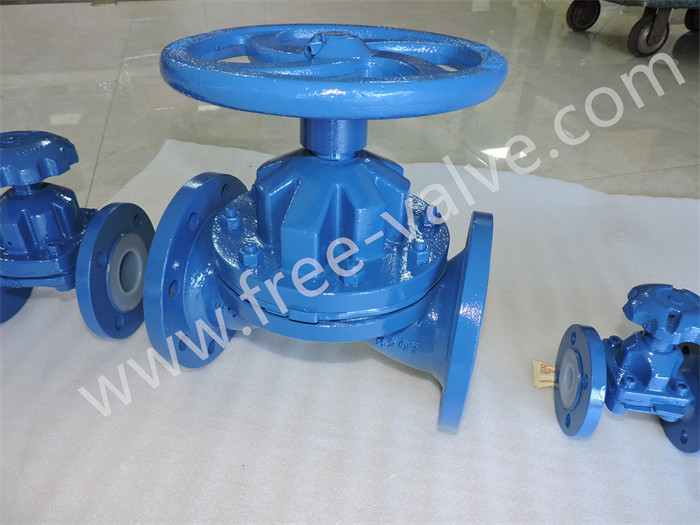


Selection and Analysis of Fluorine-lined Diaphragm valves
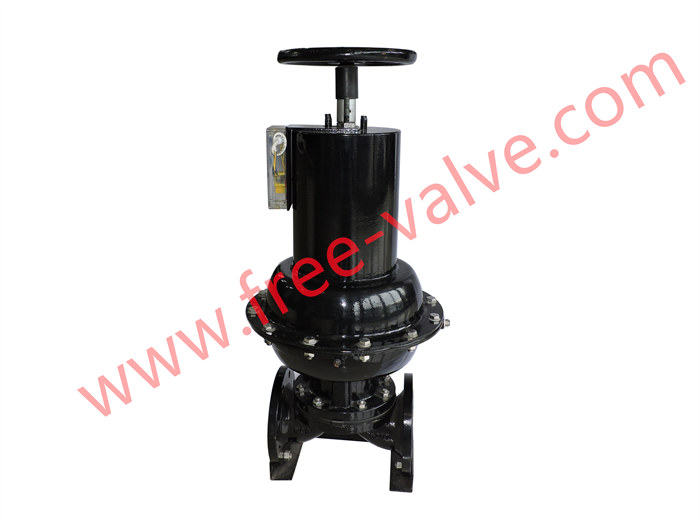
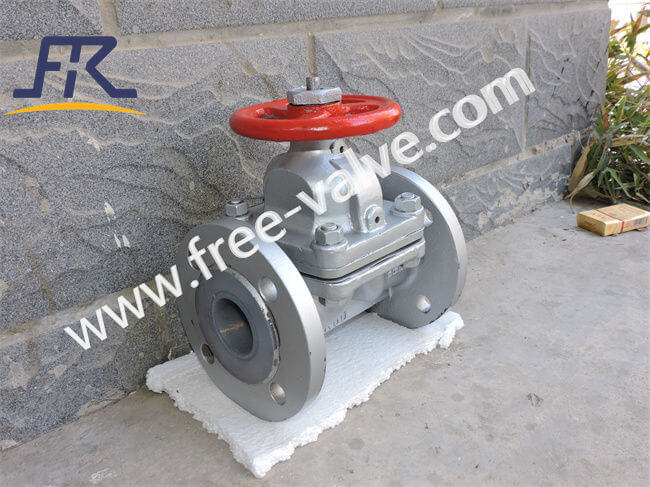
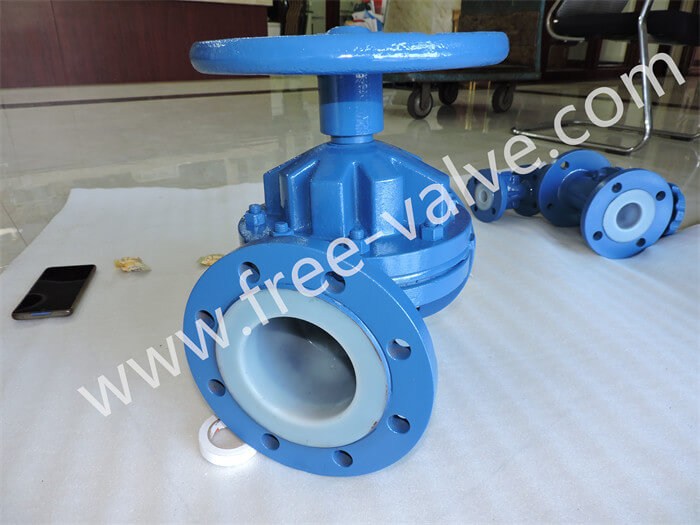
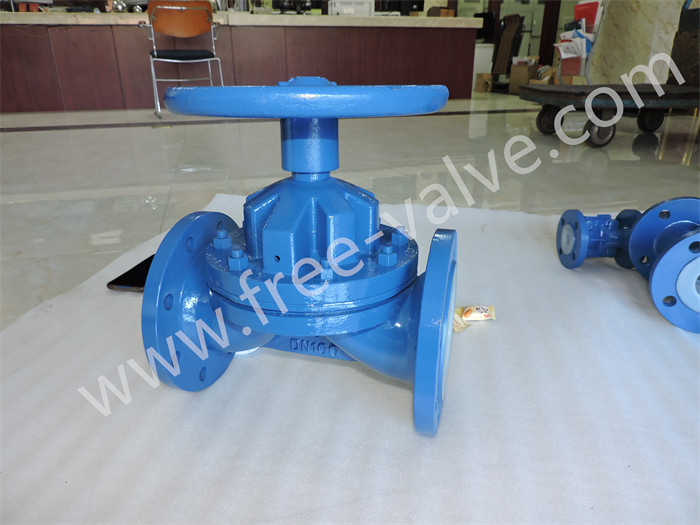
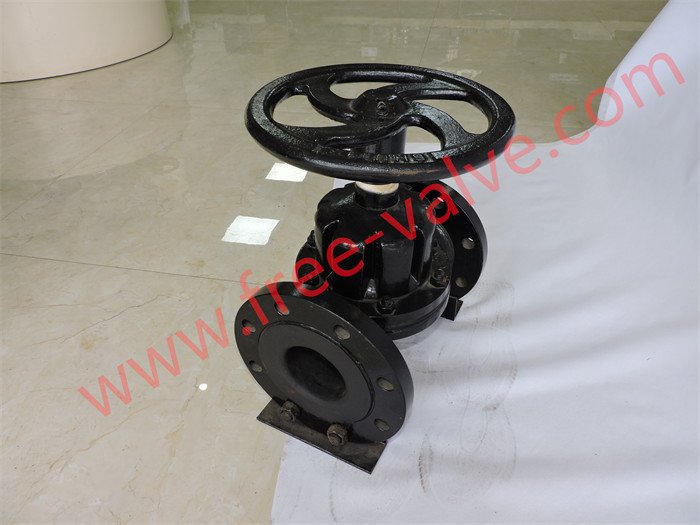
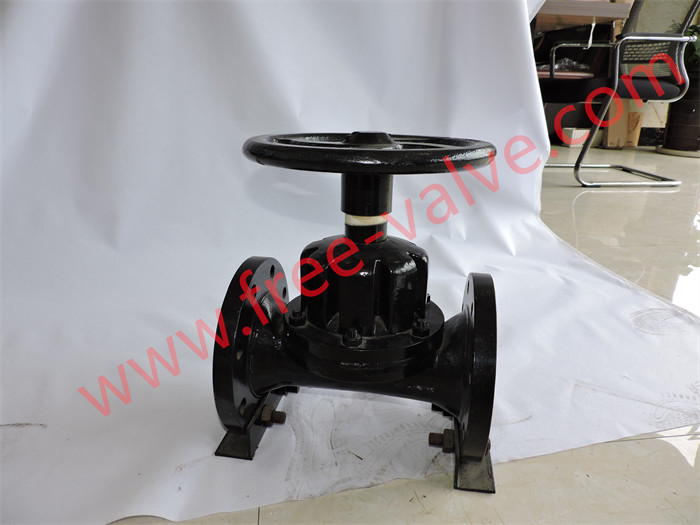
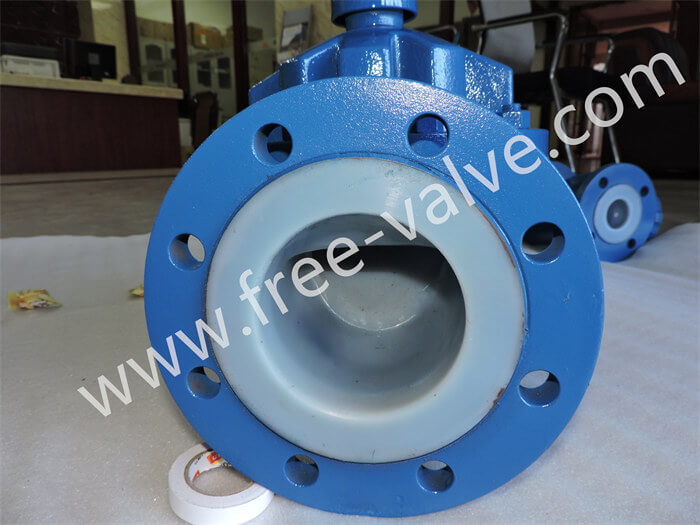
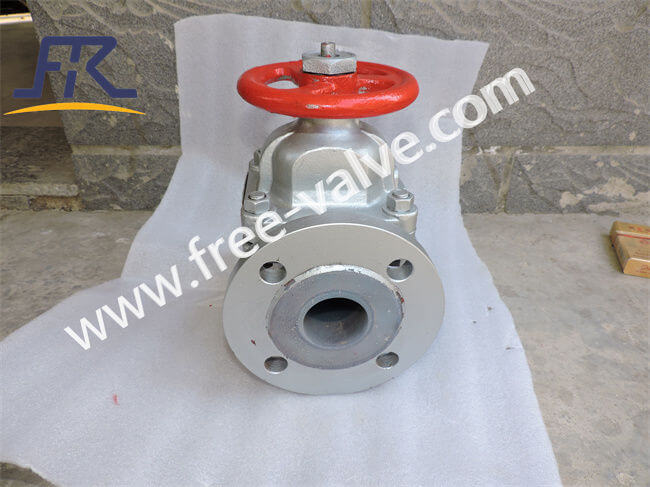
FREE-VALVE Fluorine Lined Diaphragm Valve is a shut off valve where the diaphragm is driven by the valve stem, moving linearly along the stem axis to isolate the actuating mechanism from the fluid medium.When the flow path is lined with fluorine to prevent direct contact between the corrosive medium and the metal body, such valves are classified as the fluoroplastic-lined diaphragm valves. Its are primarily designed for corrosive media and applications requiring zero external leakage.The structural forms of fluoroplastic-lined diaphragm valves are mainly weir type and straight-through type.
FREE-VALVE Fluorine Lined Diaphragm Valve is a shut off valve where the diaphragm is driven by the valve stem, moving linearly along the stem axis to isolate the actuating mechanism from the fluid medium.When the flow path is lined with fluorine to prevent direct contact between the corrosive medium and the metal body, such valves are classified as the fluoroplastic-lined diaphragm valves. Its are primarily designed for corrosive media and applications requiring zero external leakage.The structural forms of fluoroplastic-lined diaphragm valves are mainly weir type and straight-through type.
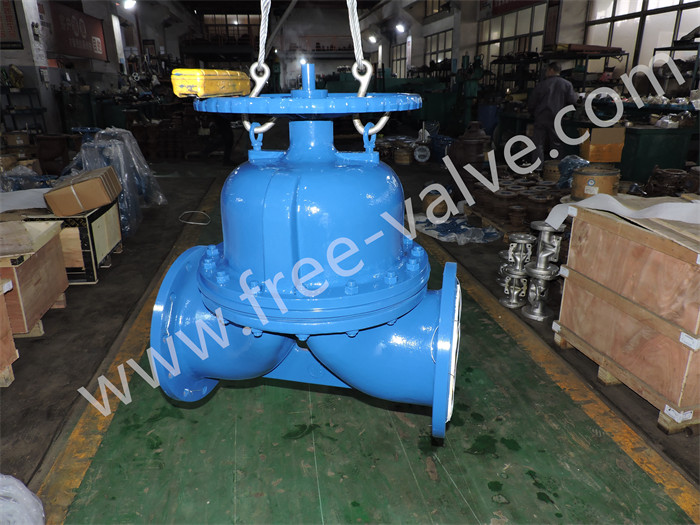
Technical Specification
| 1 | Size Range | NPS1~NPS16,DN25~DN400 |
| 2 | Nominal pressure | Class 150 /PN10/PN16 |
| 3 | Applicable Temperature | 0~150℃ |
| 4 | Connection Type | Flange |
| 5 | Lining Material | PTFE , PFA , FEP |
| 6 | Diaphragm | EPDM+PFA /FEP |
| 7 | Pressure test | GB/T12239,MSS SP-88 |
| 8 | Face to Face | GB/T12221, ASME B16.10 |
| 9 | Design standard | BS 5156 |
| 10 | Operating Type | Manual,pneumatic
|
Temperature of use and suitable media of body lining material
| Lining material | Service temperature,°C | Application medium |
| NR | -10°C~+85°C | exclusive of strong oxidants:hydrochloric acid, fluorosilicic acid, phenolic acid, hydrochloric acid, 30 percent sulfuric acid, 50 percent hydrofluoric acid, 80 percent phosphoric acid, alkali, salt, gold plating solution, sodium hydroxide, potassium hydroxide, neutral salt aqueous solution, 10 percent sodium hypochlorite, ammonia, most alcohols, organic acids and aldehydes,ect |
| EPDM | ≤120°C | It has the similar acid and alkaline properties of natural glue, and it is very good for low pressure steam, hot water and cold water. |
| PTFE(F4) | ≤180°C | Strong acid, strong base, strong oxidant, organic solvent, etc |
| FEP(F46) | ≤120°C | Any organic solvents or reagents, xi or concentrated inorganic acids, bases, ketones, aromatics, chlorinated hydrocarbons, etc |
| PFA | ≤180°C | Strong acid,strong alkali,Strong oxidant, organic solvent, etc |
Note:in the suitable media column, “W” means the body without lined,“J” means the body lined hard rubber,“F46” means the body lined fluorine plastic,
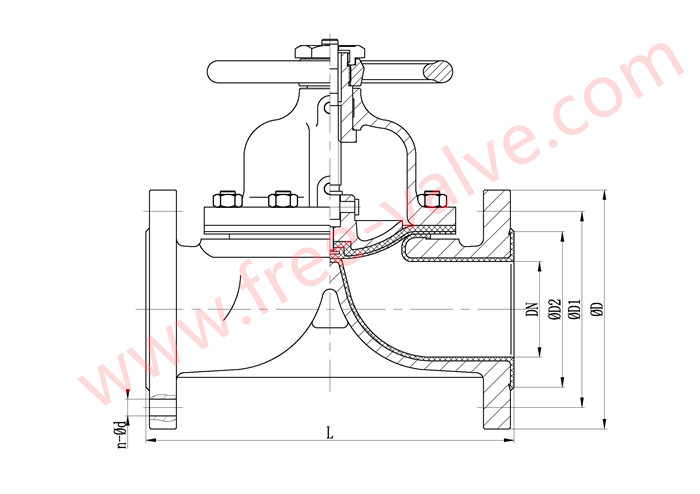
Main outline and connection dimensions
| DN | DN | PN | L | D | D1 | n-∅d |
| EG41W/J/F46 | DN20 | PN10 | 121 | 105 | 75 | 4-∅14 |
| DN25 | 131 | 115 | 85 | 4-∅14 | ||
| DN32 | 150 | 140 | 100 | 4-∅18 | ||
| DN40 | 163 | 150 | 110 | 4-∅18 | ||
| DN50 | 194 | 165 | 125 | 4-∅18 | ||
| DN65 | 220 | 185 | 145 | 4-∅18 | ||
| DN80 | 258 | 200 | 160 | 8-∅18 | ||
| DN100 | 309 | 220 | 180 | 8-∅18 | ||
| DN125 | 362 | 250 | 210 | 8-∅18 | ||
| DN150 | 412 | 285 | 240 | 8-∅22 | ||
| DN200 | 529 | 340 | 295 | 8-∅22 | ||
| DN250 | 641 | 395 | 350 | 12-∅22 | ||
| DN300 | 757 | 445 | 400 | 12-∅22 | ||
| G41FW/J/F46 | DN15 |
PN10 |
125 | 95 | 65 | 4-∅14 |
| DN20 | 135 | 105 | 75 | 4-∅14 | ||
| DN25 | 145 | 115 | 85 | 4-∅14 | ||
| DN32 | 160 | 140 | 100 | 4-∅18 | ||
| DN40 | 180 | 150 | 110 | 4-∅18 | ||
| DN50 | 210 | 165 | 125 | 4-∅18 | ||
| DN65 | 250 | 185 | 145 | 4-∅18 | ||
| DN80 | 300 | 200 | 160 | 8-∅18 | ||
| DN100 | 350 | 220 | 180 | 8-∅18 | ||
| DN125 | 400 | 250 | 210 | 8-∅18 | ||
| DN150 | 460 | 285 | 240 | 8-∅22 | ||
| DN200 | 570 | 340 | 295 | 8-∅22 | ||
| DN250 | 680 | 395 | 350 | 12-∅22 | ||
| DN300 | 790 | 445 | 400 | 12-∅22 | ||
| DN350 | 900 | 505 | 460 | 16-∅22 | ||
| DN400 | 1000 | 570 | 515 | 16-∅26 |
Note:in the suitable media column, “W” means the body without lined,“J” means the body lined hard rubber,“F46” means the body lined fluorine plastic.
Features:
- The fluoroplastic diaphragm isolates the upper valve components (bonnet, stem, and disc) from the corrosive medium, eliminating medium Its simple structure eliminates the need for packing gland, ensuring easy maintenance.
- Due to the limitations of diaphragm materials, its are primarily used in low-pressure and low-temperature environments.
- Fluoroplastic-lined diaphragm valves mainly consist of valve body, bonnet, stem, diaphragm, disc, lining layer and transmission device.
- The diaphragm acts as the disc sealing ring and gasket, and is fixed between the valve body and bonnet with bolts. It is composed of a combination of natural rubber, neoprene, fluororubber and FEP (F46). The material of the diaphragm determines the operating temperature of the diaphragm valve.
- The valve disc typically features a spherical crown that aligns with the diaphragm. Driven by the valve stem, it forms a sealing pair with the sealing surface of the valve body, thus cutting off or connecting the corrosive medium. The quality of the arc fit between the valve disc and the valve body determines the sealing performance of the diaphragm valve.

Application
FREE-VALVE Fluorine-Lined Diaphragm Valves are different from ordinary valves, fluorine-lined diaphragm valves mainly use flexible rubber and fluoroplastic diaphragms as key components for fluid control and flow regulation. Featuring a simple structure, excellent sealing performance, smooth flow passage and a relatively small flow resistance coefficient, they are widely applied in pipelines conveying viscous media, microparticle fluids and corrosive media, especially in water treatment devices of thermal power systems.