Comparison of the Application of Tungsten Carbide and Al₂O₃ Ceramics on Disc Valves
Aug 13,2026 From: Zhengzhou Free Fluid Control Technology Co.,Ltd
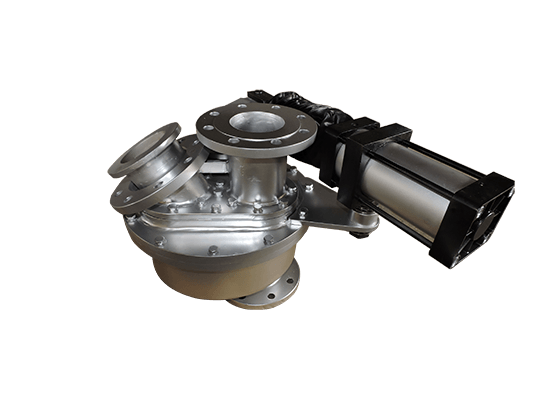
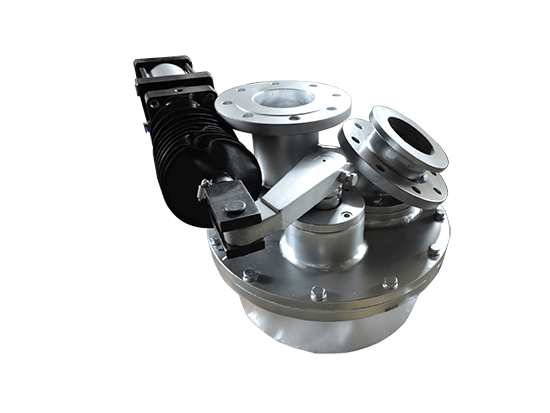
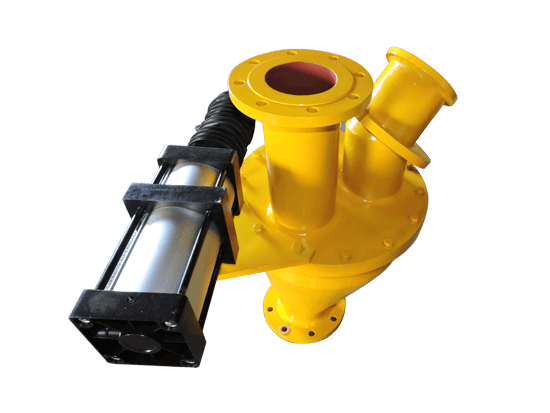
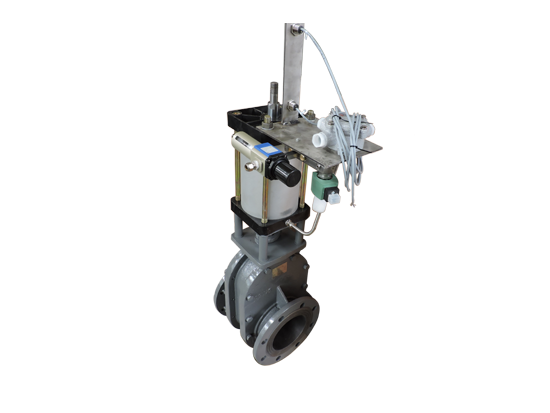
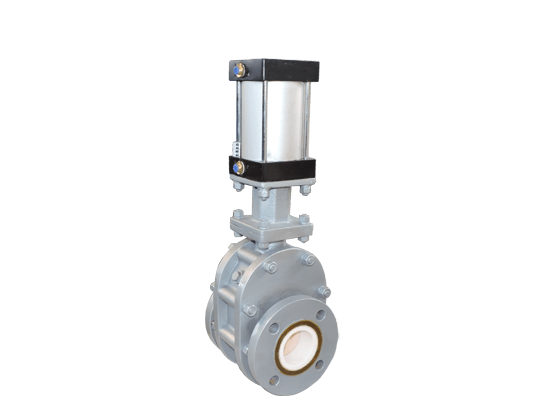
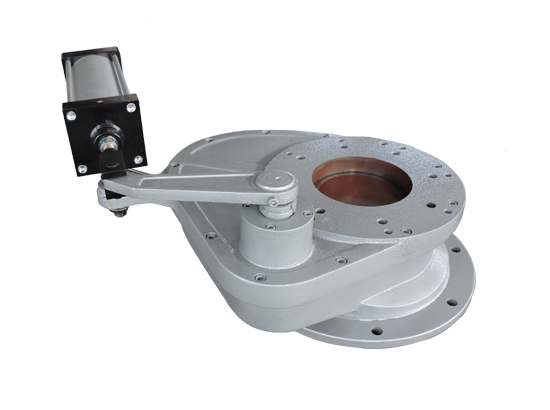
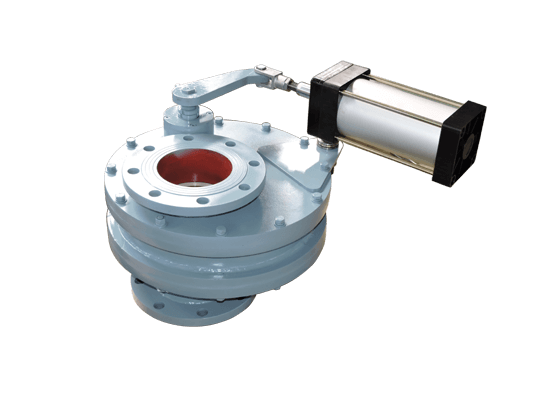
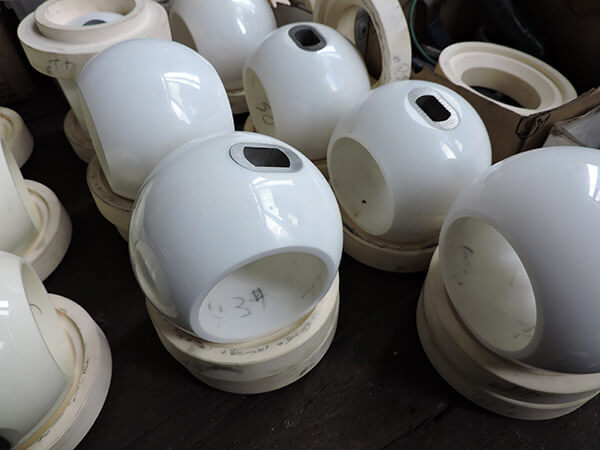
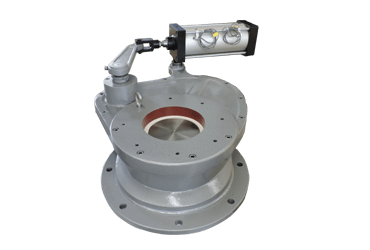
The wear resistance advantage of tungsten carbide originates from the synergistic effect between the hard phase (WC) and the metallic binder phase (Co/Ni), which can absorb energy and inhibit crack propagation under abrasive impact; in contrast, although Al₂O₃ ceramics have high hardness, their pure covalent bond structure makes them very brittle, making them susceptible to overall fracture.The wear resistance advantage of tungsten carbide originates from the synergistic effect between the hard phase (WC) and the metallic binder phase (Co/Ni), which can absorb energy and inhibit crack propagation under abrasive impact; in contrast, although Al₂O₃ ceramics have high hardness, their pure covalent bond structure makes them very brittle, making them susceptible to overall fracture.rforms a critical sealing function in high-wear, highly corrosive conditions such as coal chemical industry, power desulfurization, polysilicon, and thermal power fly ash system production. Traditional metal sealing pairs have a short lifespan and high leakage rate, making them difficult to meet the requirements of continuous operation. Tungsten carbide (WC) and alumina ceramics (Al₂O₃), due to their extremely high hardness, chemical inertness, and low friction coefficient, have become mainstream materials to replace metal sealing pairs. Among them, Al₂O₃ ceramics (purity ≥95%) stand out in desulfurization systems and high-purity processes due to their excellent acid-base resistance and high-purity properties.
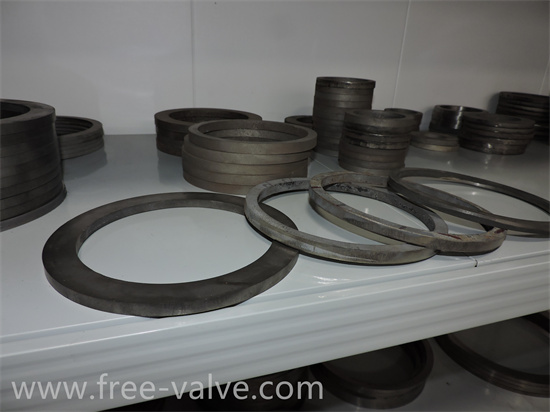
Tungsten carbide is mainly used in valves as a wear-resistant coating on sealing surfaces or as an integral sintered component to address issues of erosion wear and seal failure under conditions involving solid particles, high temperatures, high pressures, and frequent start-stop operations. The following provides a detailed comparison of tungsten carbide and ceramics in terms of operating conditions, chemical stability, hardness, and wear resistance, offering helpful guidance for making a reasonable selection.
1. Selection of operating conditions
|
Recommended Materials
|
Selection Criteria
|
Reason
|
|
Al₂O₃ ceramic、
ZrO2 ceramic
|
Low impact, high-purity grinding
(such as lithium battery cathode and anode materials),
corrosion-resistant, vibration-free
|
No metal contamination,
wear and corrosion resistant,low cost,
meets clean production requirements,
acid and alkali resistant,
superior to tungsten carbide in strong alkali environments
|
|
Tungsten carbide
|
High impact, high abrasive wear
|
Wear resistance is about 3-7 times that of alumina ceramics,
with long impact life and low long-term cost
|
In terms of absolute wear resistance and impact toughness, tungsten carbide is overall superior to Al₂O₃ ceramics; the advantages of Al₂O₃ ceramics lie in high-temperature stability, chemical inertness, and cost-effectiveness, making them suitable for non-impact, high-wear scenarios. When pursuing low-cost, easy-to-machine large-area linings, ceramic materials can be preferred. In high-wear conditions, requiring long maintenance-free cycles and acceptable higher initial costs, tungsten carbide materials can be prioritized.
2. Comparison of Chemical Stability
|
Environmental conditions
|
Tungsten carbide
|
Al₂O₃ ceramic
|
|
H₂SO₄,HCl
|
Good tolerance
|
Excellent tolerance
|
|
HNO₃
|
It easily decomposes to form CO2 and WO3.
|
Stable and no reaction
|
|
NaOH
|
General tolerance level
|
Prone to corrosion and the formation of aluminates
|
|
HF
|
Soluble
|
Soluble
|
|
Organic acids
|
Stable
|
Easily reactive,especially at high temperatures
|
Neither of them can withstand hydrofluoric acid, but tungsten carbide is less stable in oxidizing acids, while alumina ceramics are more fragile in alkaline environments.
3. Quantitative comparison of hardness and wear resistance
|
Performance indicators
|
tungsten carbide
|
Al₂O₃ ceramic
|
|
Microhardness
|
HV1500-1800(Overall sintering),
HV1050-1450(Coating structure)
|
HV1800-2000(Al₂O₃ ceramic),
HV900-1400(ZrO2 ceramic)
|
|
Relative wear resistance
|
3-7 times that of Al₂O₃ ceramic
|
Baseline(1x)
|
|
Bending strength
|
1200-1800MPa
|
300-400MPa
|
The wear resistance advantage of tungsten carbide originates from the synergistic effect between the hard phase (WC) and the metallic binder phase (Co/Ni), which can absorb energy and inhibit crack propagation under abrasive impact; in contrast, although Al₂O₃ ceramics have high hardness, their pure covalent bond structure makes them very brittle, making them susceptible to overall fracture.