Application of Ceramic Ball Valve in Silicon Powder Industry
Mar 23,2026 From: Zhengzhou Free Fluid Control Technology Co.,Ltd
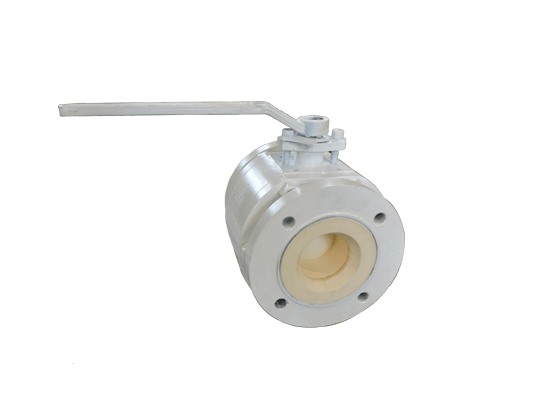
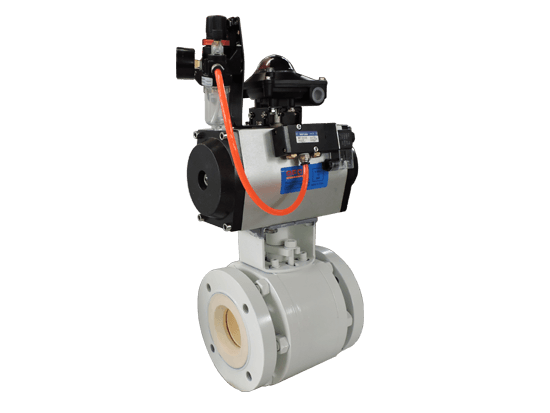
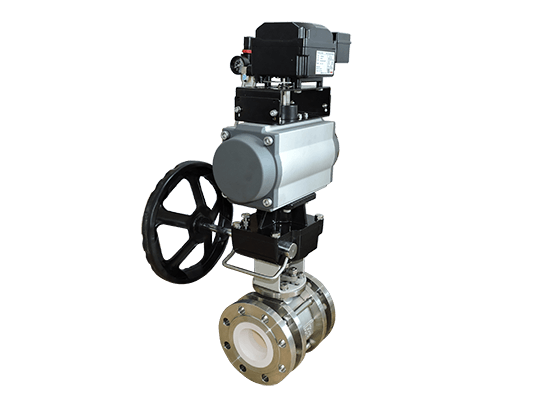
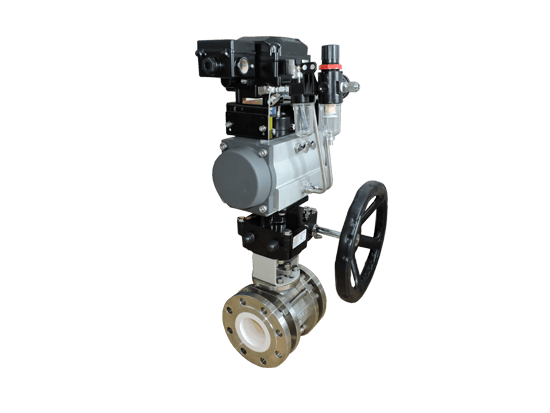
FREE-VALVE ceramic ball valve is a specialized valve that incorporates ceramic materials into the internal components of a ball valve. A ceramic ball serves as the valve’s closure element, which is commonly designed in O-type and V-type structure. Ceramic ball valves combine the advantages of structural ceramics and ball valves, significantly expanding the application range of ball valves. Beyond serving as shut-off valves, they can achieve varying flow characteristics by modifying the shape of the ball,enabling precise control or shut-off of media flow under severe operating conditions.Ceramic materials exhibit minimal deformation while demonstrating exceptional tensile strength, compressive strength, elastic modulus, and hardness.
Traditional wear-resistant metal ball valves mainly suffer from the following problems, which seriously affect stable production.
1. The hardness of the medium-contacting parts of metal ball valves is insufficient, failing to meet the valve's requirements for wear resistance and erosion resistance. To improve the wear and erosion resistance of valves, surface hardening treatments are applied to metal valve balls, such as spray coating the ball surface with nickel-based alloy to achieve a hardness of HRC 55, surfacing welding Stellite (STL) alloy to reach approximately HRC 45on the ball , and supersonic spraying tungsten carbide to attain a hardness of around HRC 60 on the ball surface,These treatments have proven ineffective in fully resolving the issue. Even after hardening, the hardness of the metal ball and seat remains below or only comparable to that of silica powder. When silica powder flows through the valve, it causes severe erosion of the valve body, leading to poor sealing and internal leakage, thereby significantly limiting the reliability of the valve.
2. Due to severe wear and erosion, once cracks appear on the surface coating of the metal ball, the coating may delaminate, causing secondary contamination of the silica powder, reducing its purity, and increasing the difficulty of the silicon powder production process.
3. Wear is one of the key factors affecting output in the production process of silica powder. The wear and erosion caused by pneumatic conveying of silica powder frequently disrupt normal operations, making valve selection critically important. Inappropriate valve selection will result in valve leakage, erosion-through, and frequent replacement, directly compromising production continuity. Silica powder has high hardness (usually HRC 65) and high flow speed, pipelines and valves must possess exceptional resistance to wear and erosion. Additionally, due to the particulate nature of silica powder, valves commonly suffer from faults including jamming, inflexible actuation and incomplete opening and closing in production.
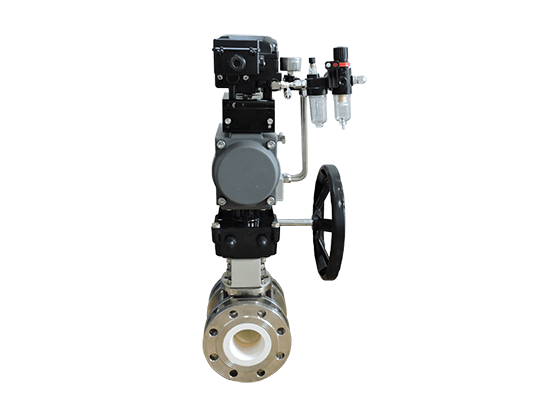
FREE-VALVE ceramic ball valve features a well-designed three-piece floating ball structure with a split design between the flange and the seat, forming a completely symmetrical configuration. This design ensures that the ball core is not subjected to direct force, thereby preventing ball jamming failures such as valve sticking or incomplete sealing. The valve features no flow direction restrictions and no installation limitations, significantly simplifying installation and enhancing efficiency on site.
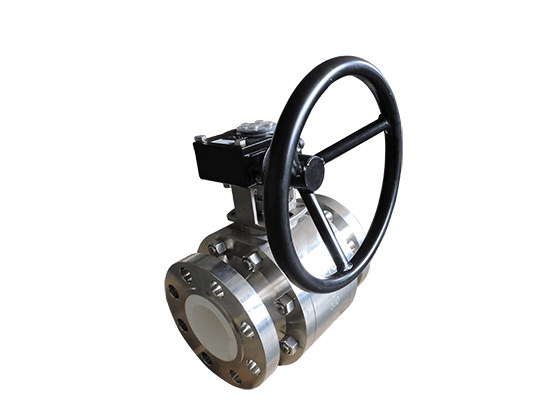
FREE-VALVE Ceramic Lined Composite Ball Valve features both the seat and the ceramic ball made of zirconia ceramic, this material achieves a hardness of approximately HRA90, second only to diamond and significantly surpassing the hardness of silicon powder. The sufficient hardness and strength of the ceramic enable the seat to effectively scrape off particles adhered to the ball, preventing particle ingress between the ball and seat, thereby ensuring reliable valve operation. Our ceramic ball valves utilize advanced grinding processes to manufacture the ball, ensuring high sphericity accuracy and superior surface quality. After precision lapping with the valve seat, the inherent self-lubricating properties of ZrO₂ceramic enable excellent sealing performance and significantly reduce operating torque. Ceramic ball valves can achieve a sealing rating as high as Class VI, meeting the stringent hard-seal standards for ceramic-to-ceramic interfaces.The ceramic lining is firmly bonded to the metal shell, so it will not detach even under high-speed scouring. This design fully meets the demanding requirements of wear resistance and erosion resistance in pneumatic conveying of silica powder.
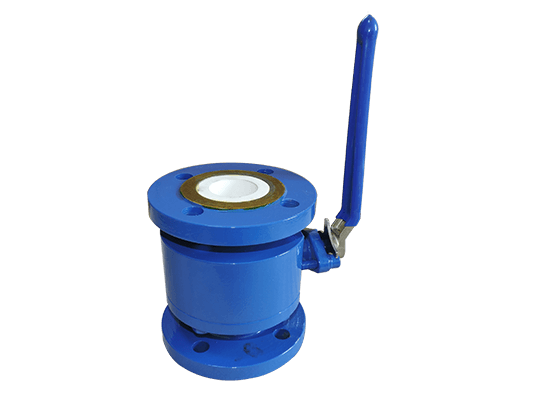
FREE-VALVE Ceramic lined ball valves are widely applied in special industrial systems such as power plant dust removal, blast furnace slag discharge, coal powder conveying, and organic silicon projects, These valves effectively solved the long-standing problems of valve wear and frequent replacement that have plagued traditional valves. This advancement has significantly reduced operational maintenance and servicing costs, substantially elevated the technical level of valves designed for pneumatic conveying, minimized the consumption of valve components, and achieved dual benefits of lower product costs and reduced economic losses from system downtime.Furthermore, ceramic ball valves fundamentally tackle the persistent operational issue of valve erosion and abrasion resulting from multiphase fluid flows in powder and slurry applications.

01.png)
-(1).png)