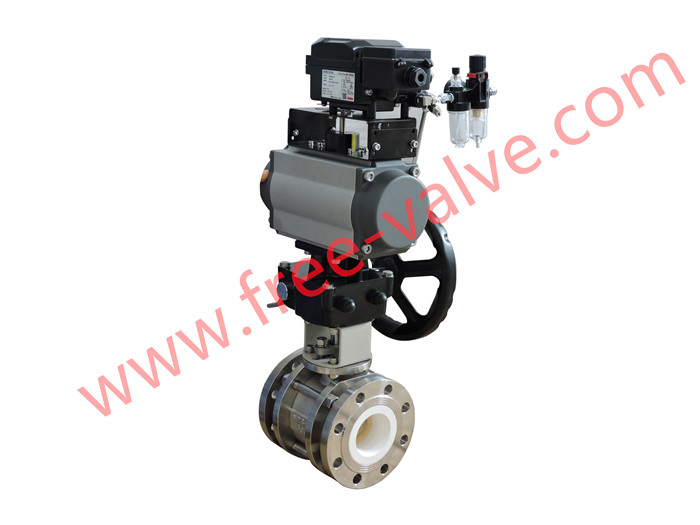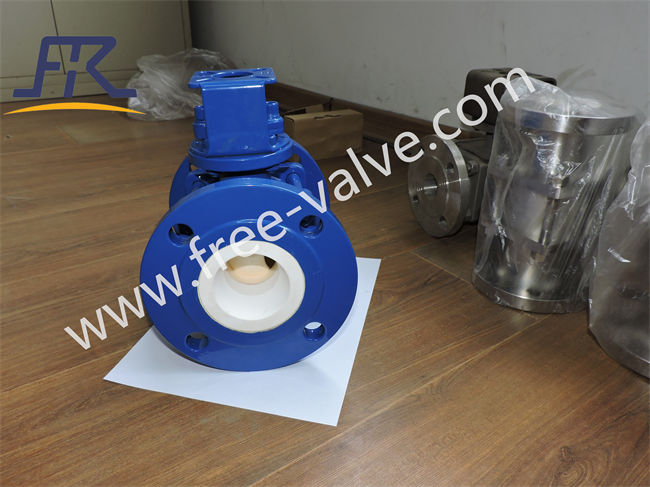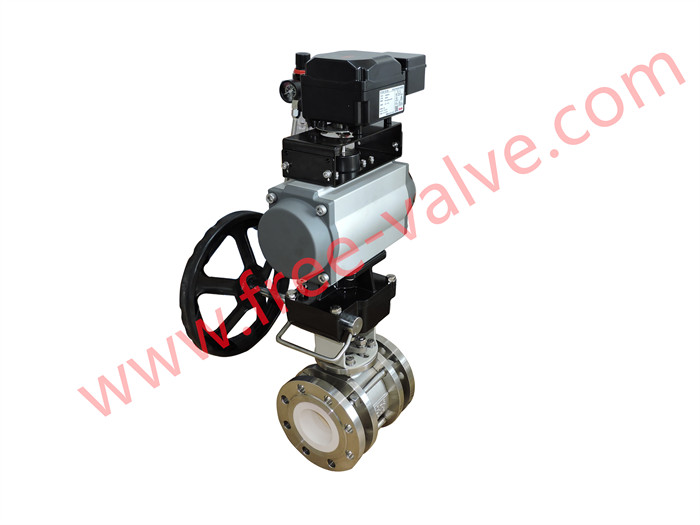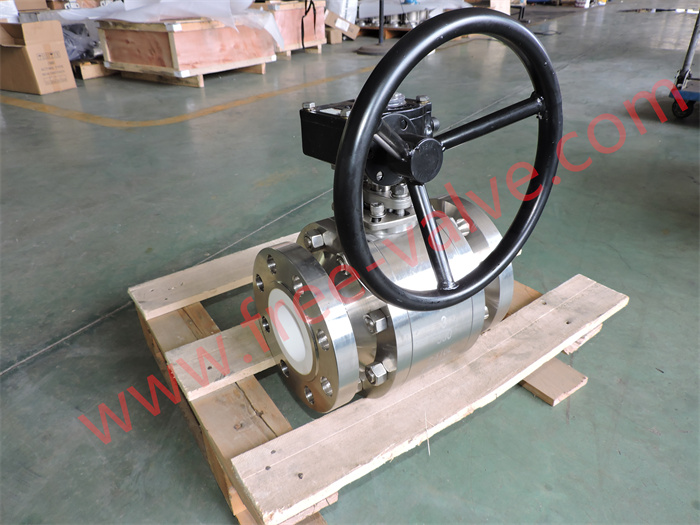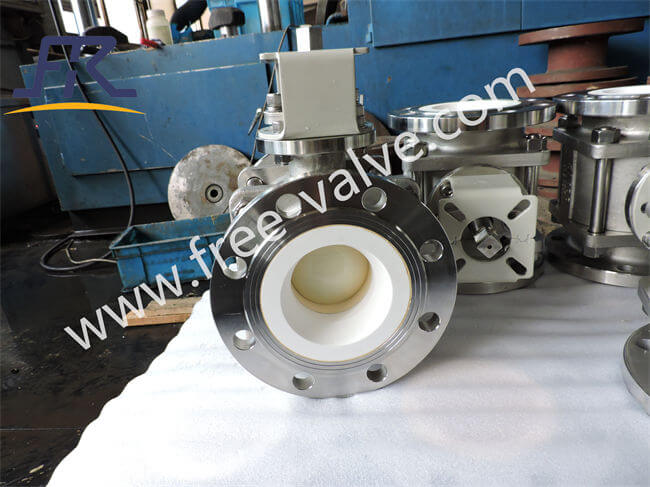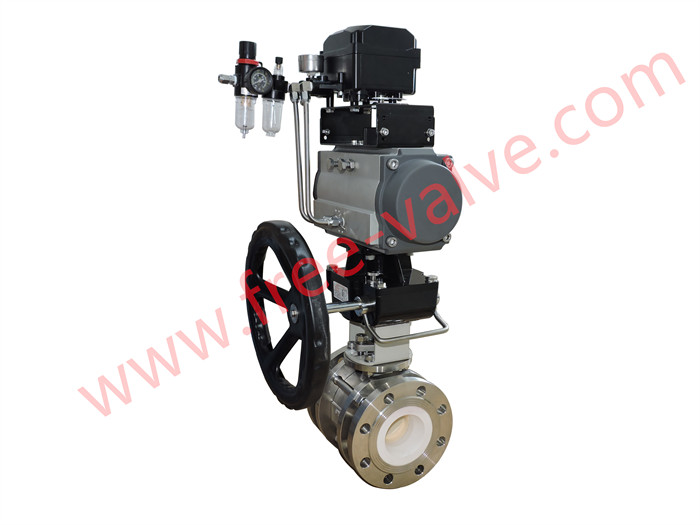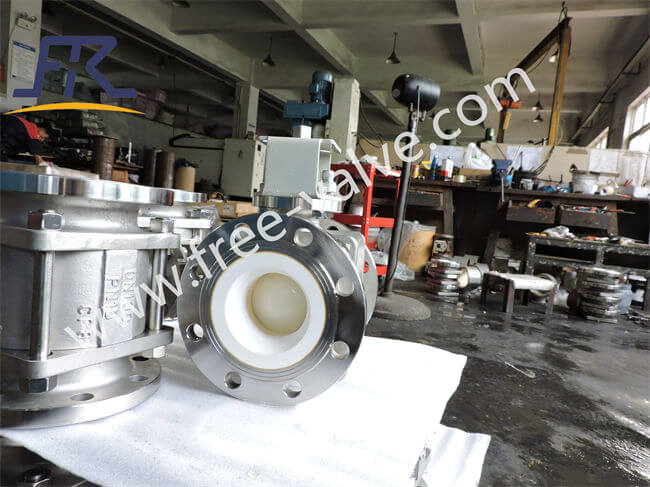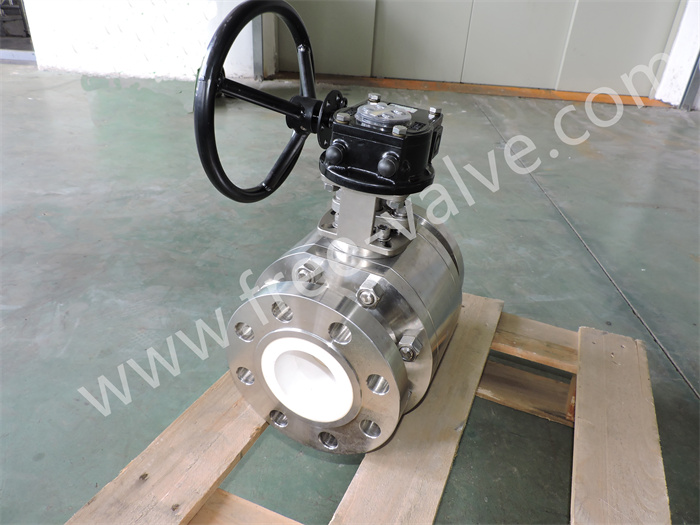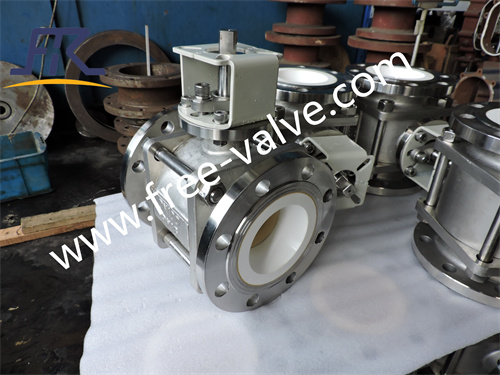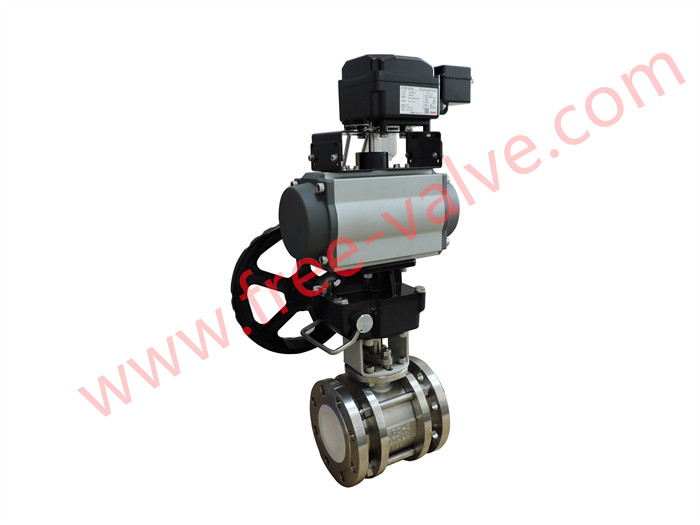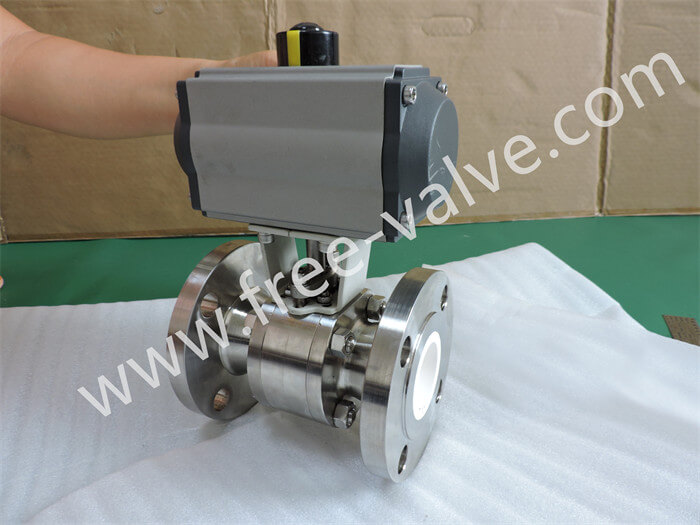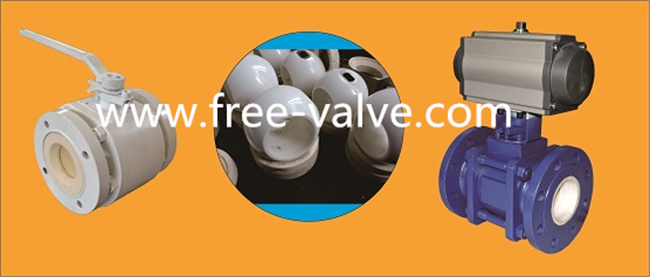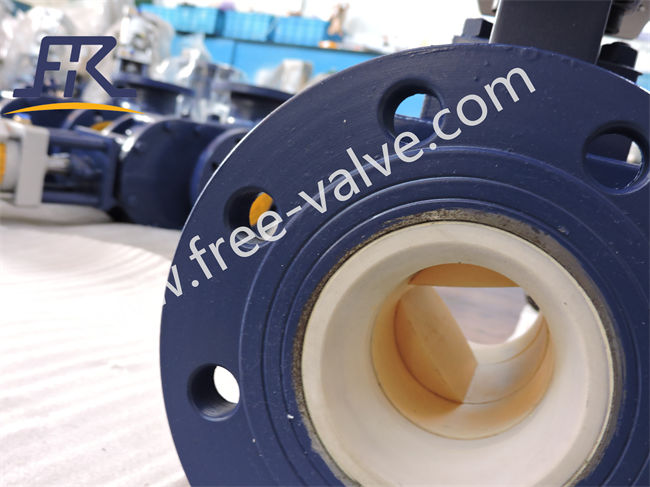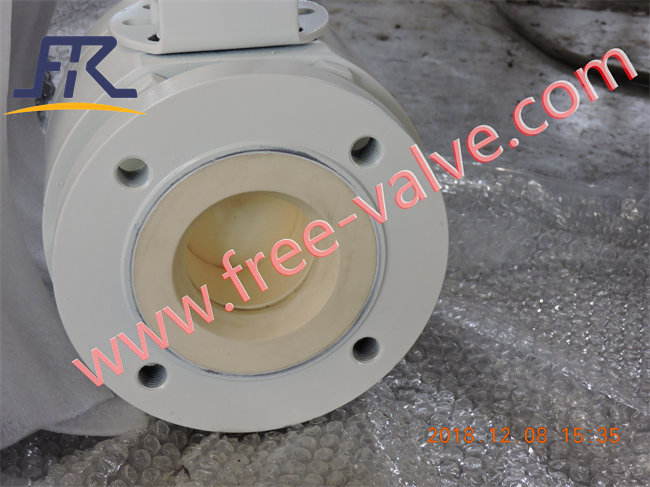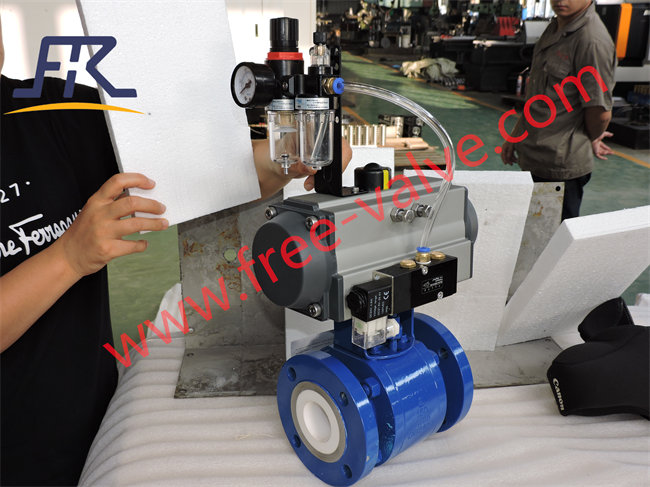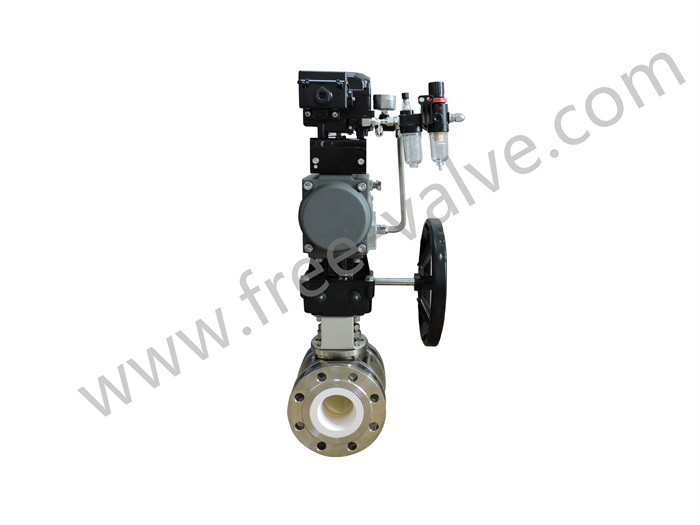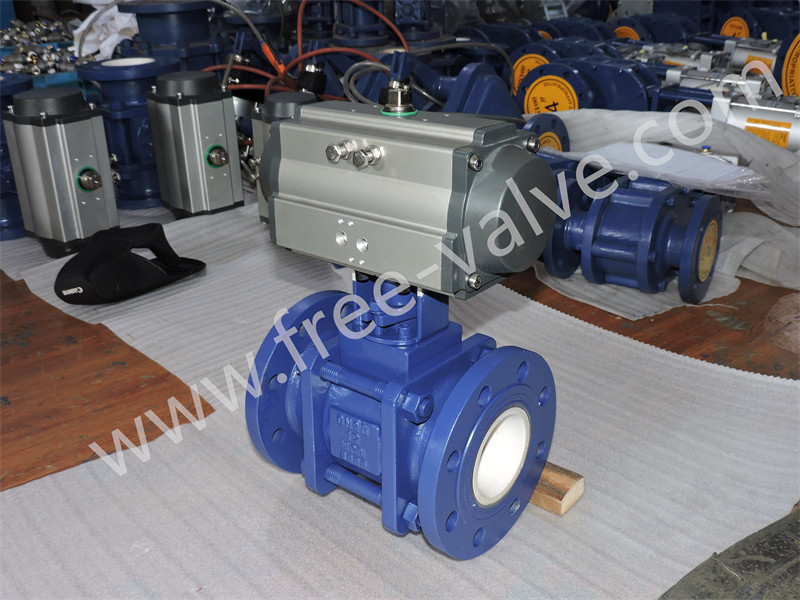
Ceramic Ball Valve FRQ641TC O types
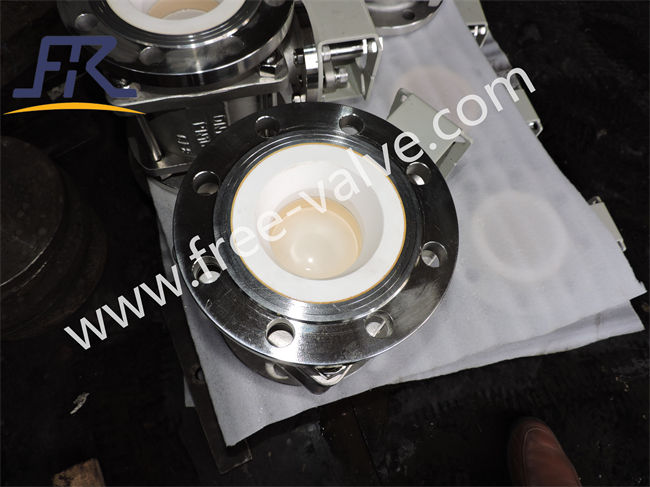
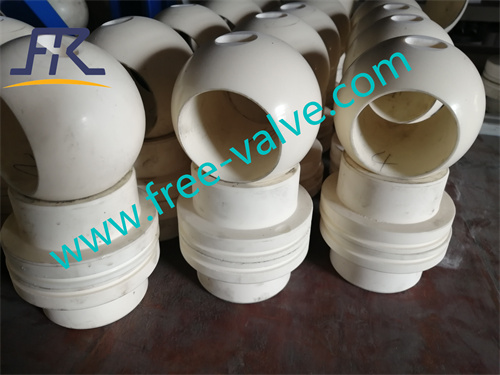
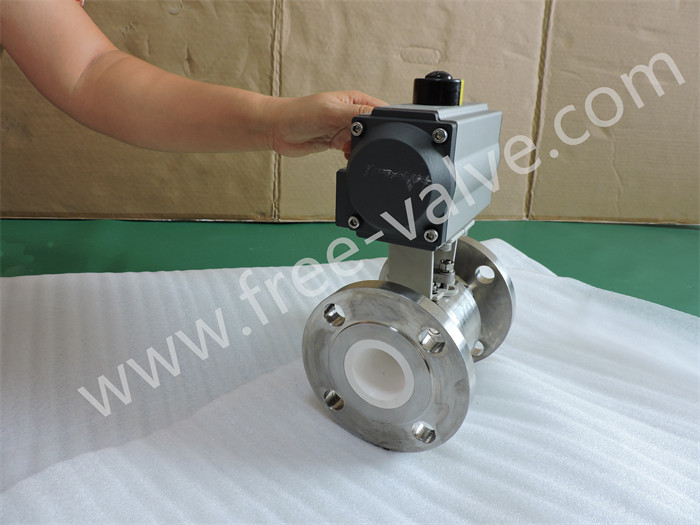
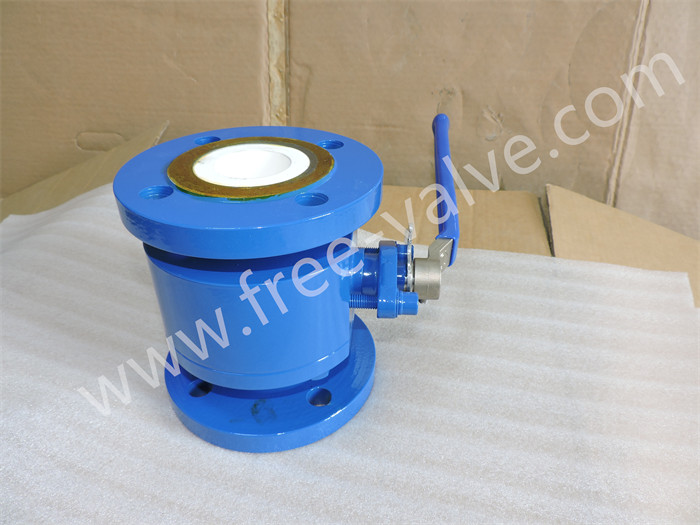
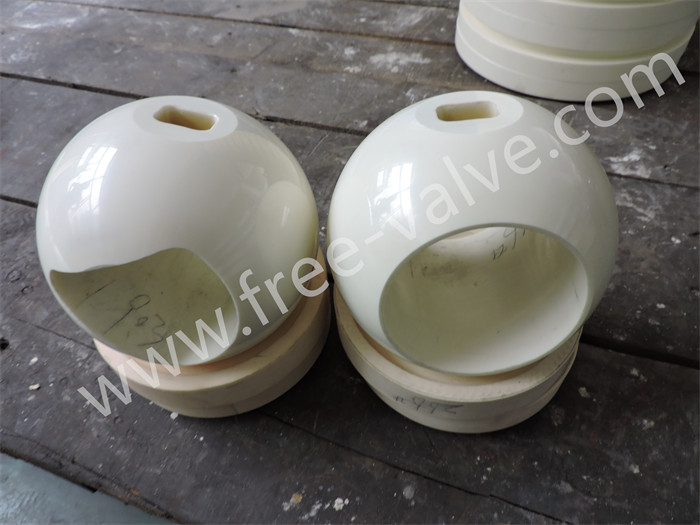
FREE-VALVE ceramic ball valve has a ceramic ball with contoured v-notch segment for accurate flow regulation and tight shutoff . The v-notch ball design features positive shearing action and process an inherent equal percentage precise flow characteristic in extremely corrosive environments containing abrasive solid particles.
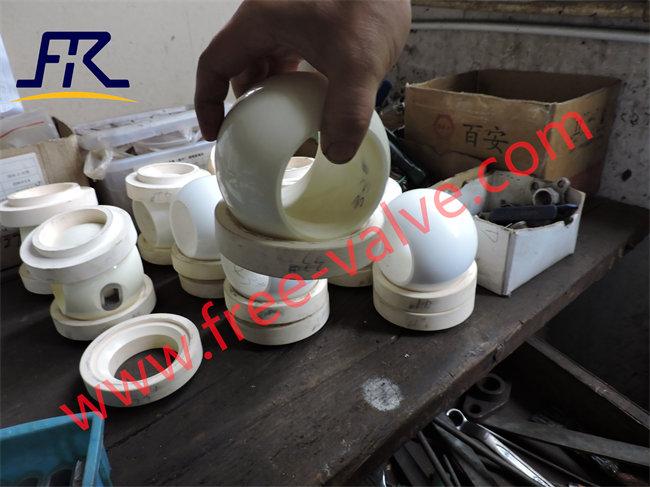
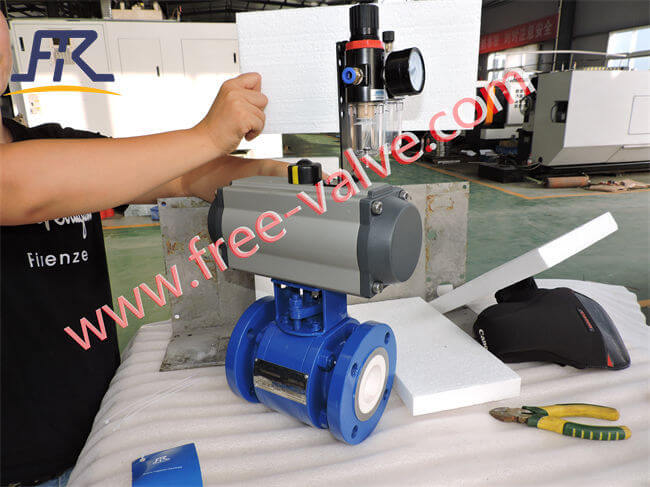
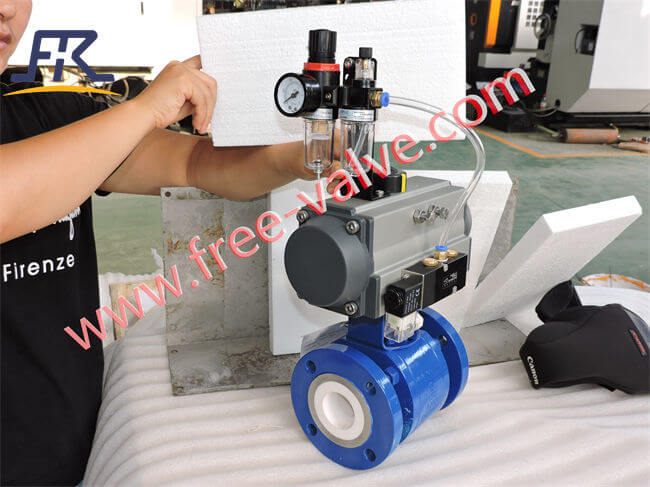
FREE-VALVE ceramic ball valves are designed with engineering ceramics the engineering ceramics internal parts provide excellent wear resistance, the ceramic ball valves are widely used as an open and close function as well as a throttling control tasks in corrosive medium with abrasive solids content.
Features:
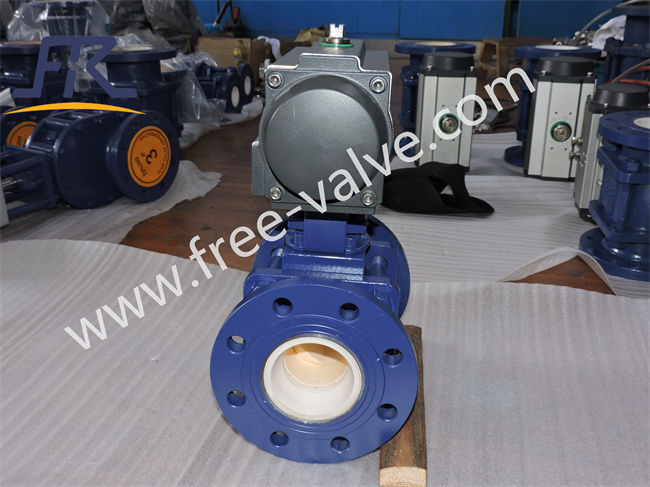
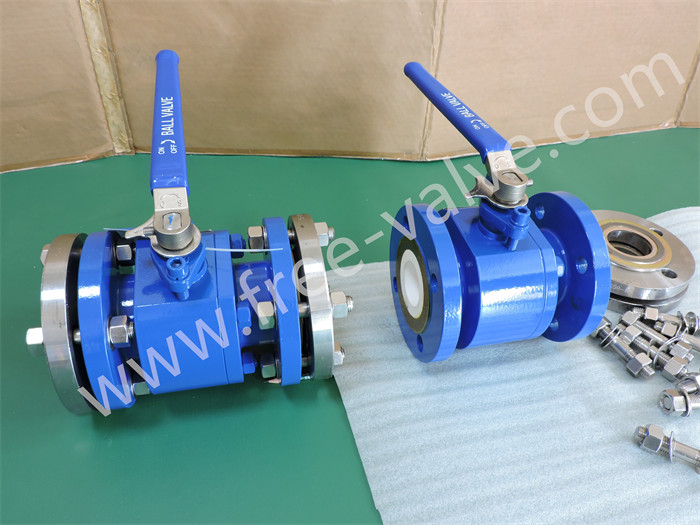
- High-strength body housing: The valve body housing is constructed from materials such as A105, SS304, or SS316, featuring a two-stage or three-piece offers a simple and reliable structure with high mechanical strength to effectively protect internal ceramic components.
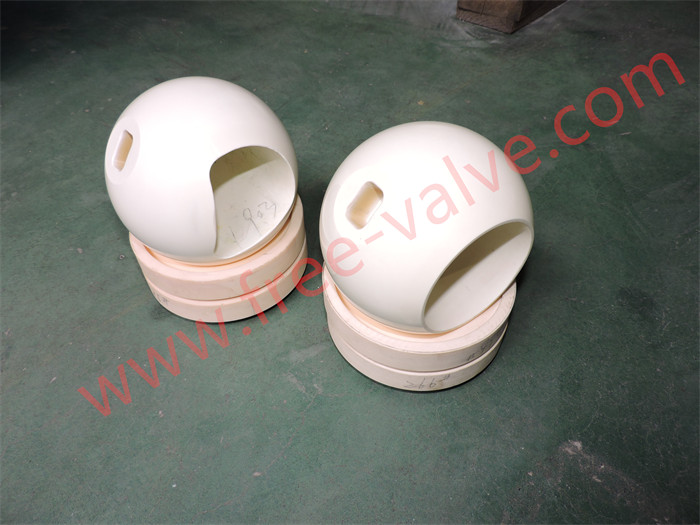
- Corrosion Resistance:Components in contact with the medium inside the valve, such as the valve ball, valve seat, and lined pipe, are all made of structural ceramic material. Structural ceramic exhibits excellent chemical inertness and will becompletely resistant to medium corrosion.
- Wear Resistance: Structural ceramics have a hardness exceeding HRA 88, second only to diamond,ensuring the fully lined ceramic ball valve remains completely abrasion-resistant under high-speed gypsum slurry erosion.
- Zero Leakage: The ceramic valve ball and seat feature spherical contact sealing with precision-ground surfaces, ensuring all valves achieve zero leakage.
- Low Operating Torque: Structural ceramics ZrO2 have self-lubricating properties. After precision grinding, the valve ball and seat can achieve a surface roughness of approximately Ra0.4. The sealing specific pressure is much lower than that of conventional metal ball valves, resulting in low resistance during opening and closing, low torque requirements, and smooth operation.
- Optional Valve Ball Types: In accordance with the system’s functional requirements for valves, both O-type and V-type valve balls are available, V-type valve balls issuitable for regulating medium flow.
Technical Specification
Size Range :DN25~DN 200, NPS1 ~NPS8
Nominal Pressure:1.0MPa,Class150
Flange Standards:ASME B16.5,GB/T9113
Connection type:Flange
Working Temperature ≤200℃
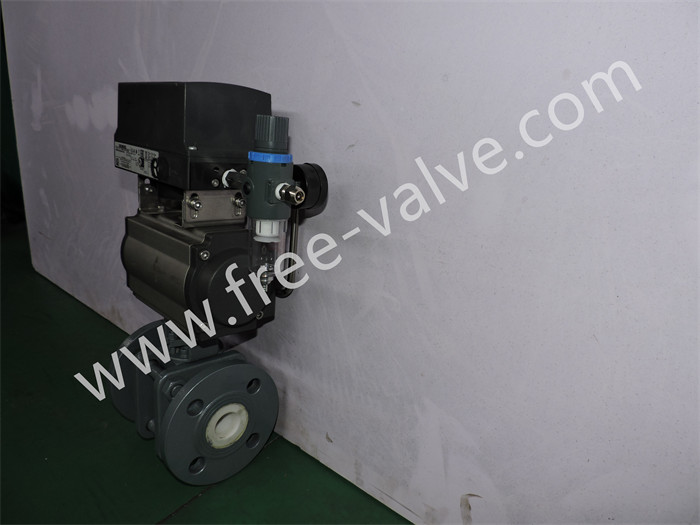
Operating Type: Pneumatic and Electric
Seat material:Engineering ceramic
Ball material:Zirconia ceramic
Pressure test:GB/T13927, API598
Face to Face:GB/T12221, ASME B16.10
Model:FRVQ641TC
| 1 | Size Range | NPS1~NPS8,DN25~DN200 |
| 2 | Nominal pressure | Class 150 /PN6 /PN10 |
| 3 | Applicable Temperature | 0~200℃ |
| 4 | Connection Type | Flange |
| 5 | Ball | ZrO2 ceramic |
| 6 | Seat,lining | ceramic |
| 7 | Pressure test | GB/T13927, API598 |
| 8 | Face to Face | GB/T12221, ASME B16.10 |
| 9 | Operating Type | Pneumatic |
| 10 | Flange Standards | ASME B16.5,GB/T9113 |
Main outline and connection dimensions
| DN | PN | L | H1 手柄 | H2手轮 | ||
| DN25 |
PN10 PN16 PN25 Class150 |
127 | 140 | 72 | 226 | |
| DN32 | 140 | 165 | 88 | 238 | ||
| DN40 | 165 | 165 | 110 | 260 | ||
| DN50 | 178 | 203 | 118 | 287 | ||
| DN65 | 190 | 222 | 131 | 300 | ||
| DN80 | 203 | 241 | 150 | 330 | ||
| DN100 | 229 | 305 | 175 | 358 | ||
| DN125 | 356 | 392 | ||||
| DN150 | 394 | 430 | ||||
| DN200 | 457 | 462 | ||||

| DN | d | PN | L1 | L2 | D | D1 | D2 | n-M/n-∅Z | |
| DN25 | 20 |
PN10
|
127 | 140 | 115 | 85 | 68 | 4-M12/4-∅14 | |
| DN32 | 25 | 140 | 165 | 140 | 100 | 78 | 4-M16/4-∅18 | ||
| DN40 | 32 | 165 | 165 | 150 | 110 | 88 | 4-M16/4-∅18 | ||
| DN50 | 40 | 178 | 203 | 160 | 125 | 99 | 4-M16/4-∅18 | ||
| DN65 | 50 | 190 | 222 | 180 | 145 | 118 | 4-M16/4-∅18 | ||
| DN80 | 65 | 203 | 241 | 200 | 160 | 132 | 8-M16/8-∅18 | ||
| DN100 | 80 | 229 | 305 | 220 | 180 | 156 | 8-M16/8-∅18 | ||
| DN125 | 100 | 356 | 250 | 210 | 186 | 8-M16/8-∅18 | |||
| DN150 | 125 | 394 | 285 | 240 | 210 | 8-M20/8-∅22 | |||
| DN200 | 150 | 457 | 340 | 295 | 266 | 8-M20/8-∅22 | |||
Note: Our company also produces other pressure grade products, flange connection size according to customer requirements according to GB/T9113 ,ASME B16.5 or JIS B2220.
Flow coefficient table
| Nominal size | Cv Value | Torque(△p=1.0MPa) | ||||
| O port | V30° | V45° | V60° | N.M | ||
| DN25 | 1” | 18.2 | 5 | 8 | 12 | 15 |
| DN32 | 1-1/4” | 28.5 | 8 | 12 | 18 | 26 |
| DN40 | 1-1/2” | 47 | 13 | 20 | 30 | 35 |
| DN50 | 2” | 73 | 21 | 31 | 46 | 42 |
| DN65 | 2-1/2” | 114 | 32 | 48 | 72 | 64 |
| DN80 | 3” | 181 | 51 | 76 | 115 | 90 |
| DN100 | 4” | 292 | 82 | 123 | 185 | 130 |
| DN125 | 5” | 456 | 128 | 192 | 289 | 220 |
| DN150 | 6” | 712 | 201 | 300 | 452 | 250 |
| DN200 | 8” | 1025 | 289 | 432 | 650 | 490 |
Application
FREE-VALVE Ceramic ball valves utilize lining structure ceramic, achieving performance in high-temperature resistance, wear resistance, corrosion resistance and slurry flow regulation that cannot be matched by conventional metal valves. This extends the application scope of ball valves and makes them an ideal alternative to costly precious metal materials such as Monel alloy, titanium alloy and Hastelloy alloy, with their service life generally increased by 2~4 times.Ceramic ball valves have been widely applied in flue gas desulfurization (FGD) units, fly ash handling, slag removal and coal-injection combustion systems in power plants,sintering machine desulfurization systems (EPC) in steel plants, flue gas purification for waste incineration, the chlor-alkali industry, as well as wastewater and solid waste treatment sectors.