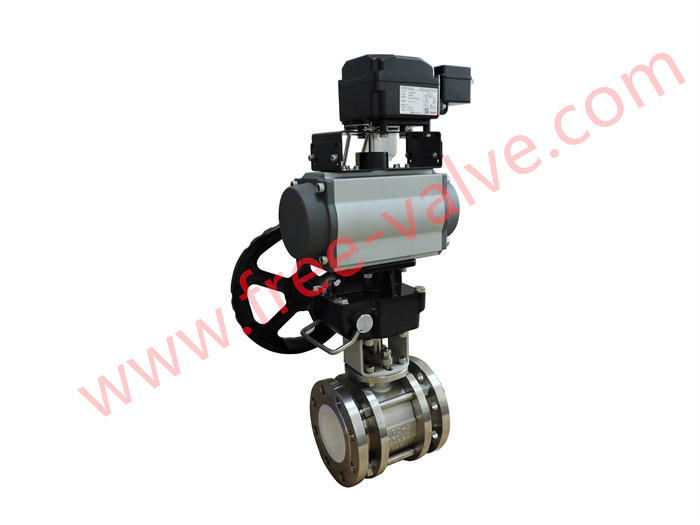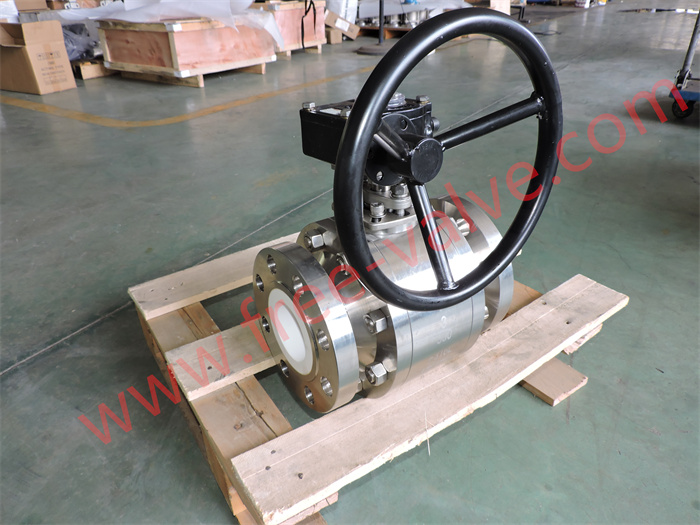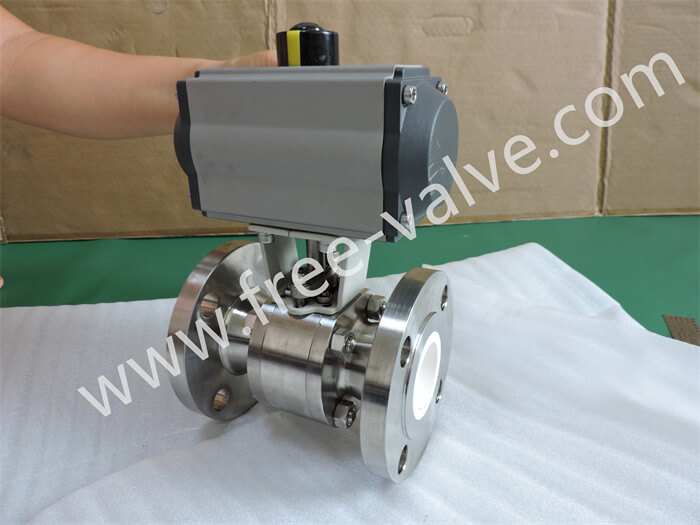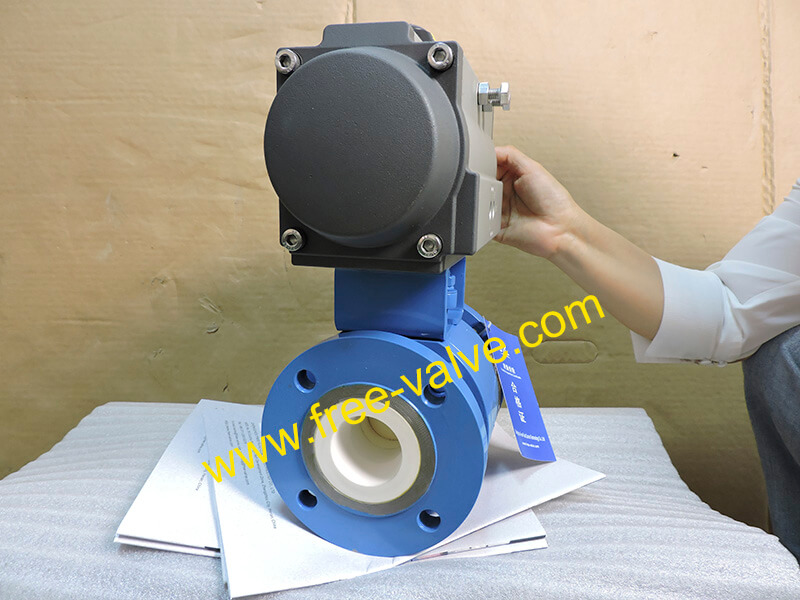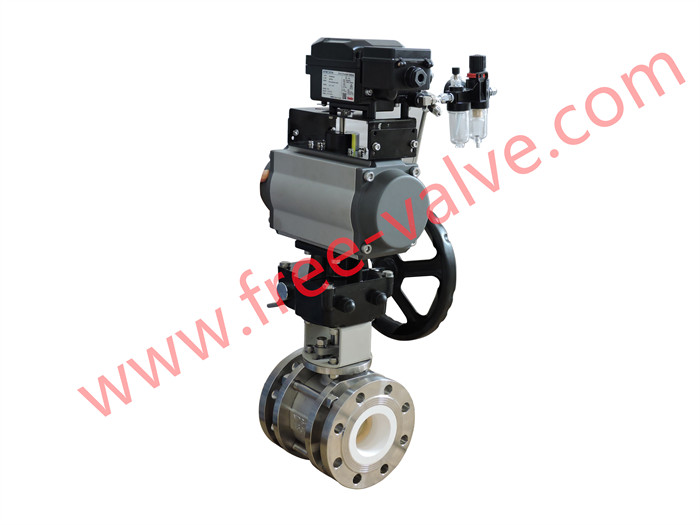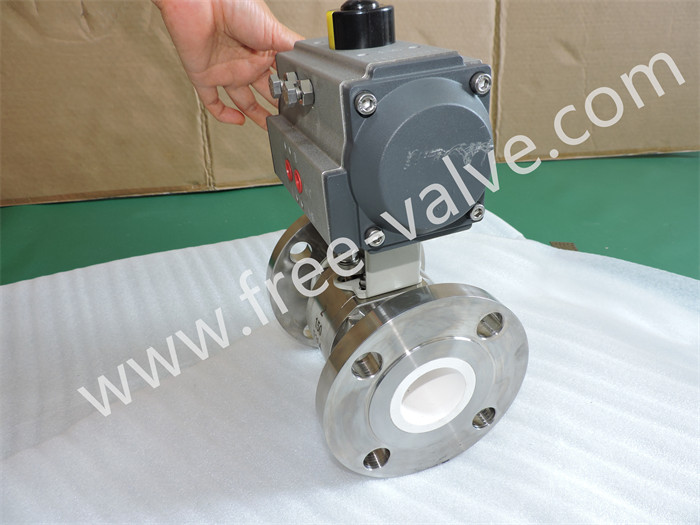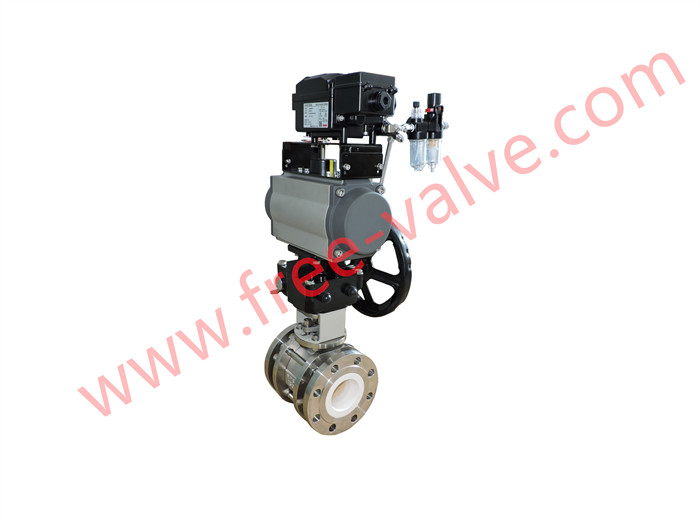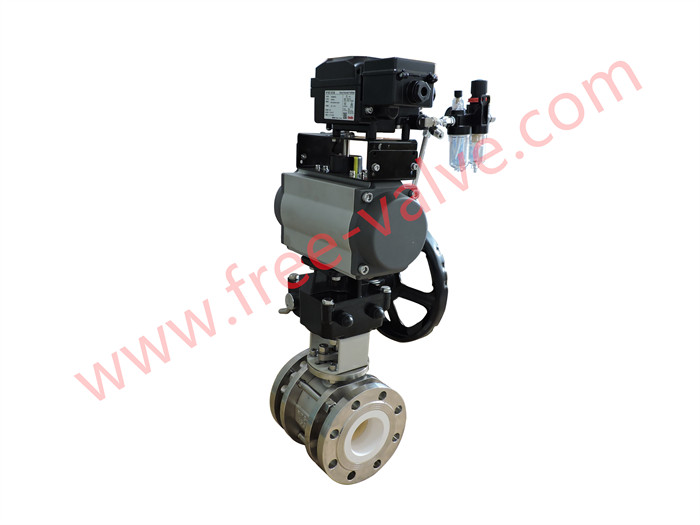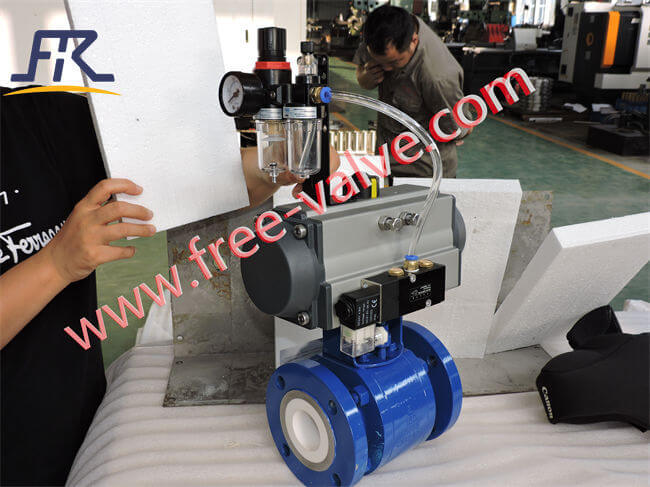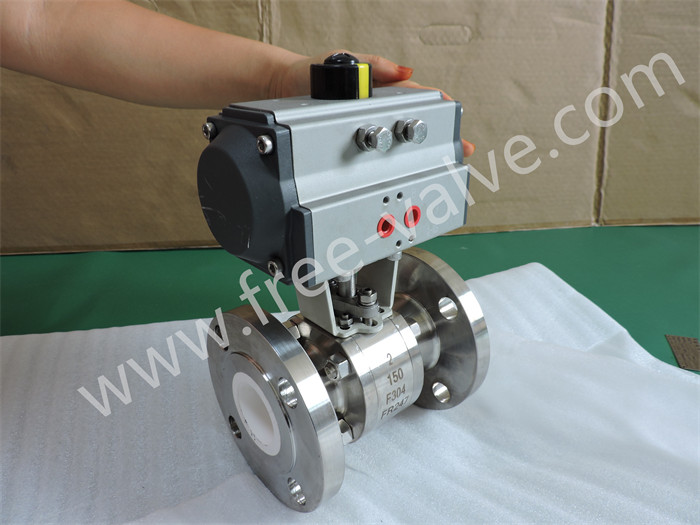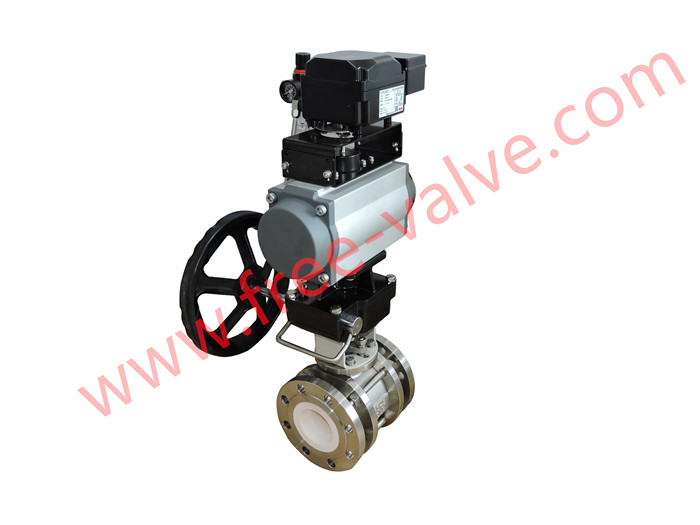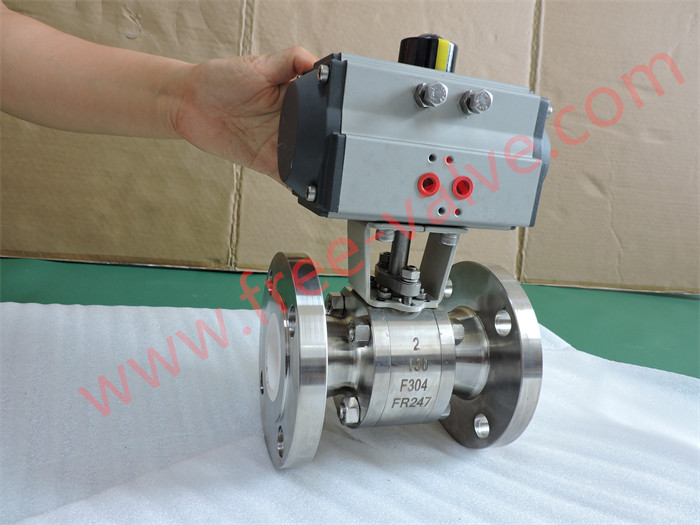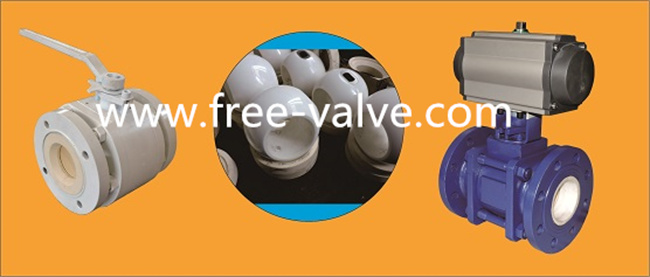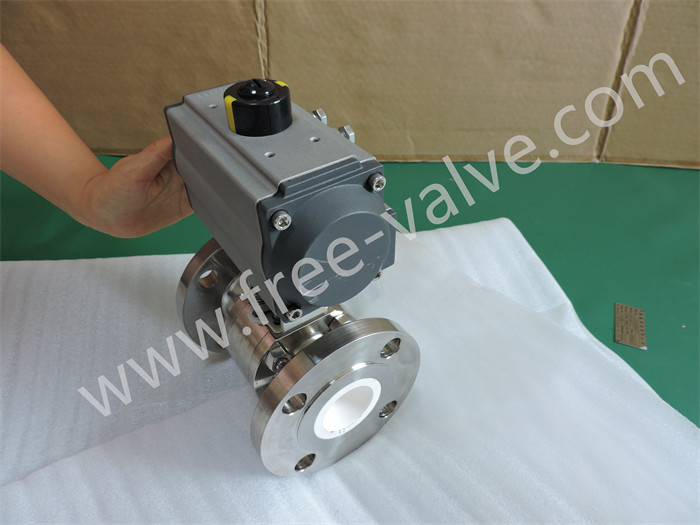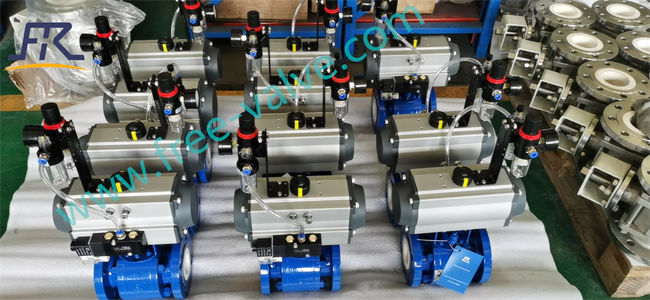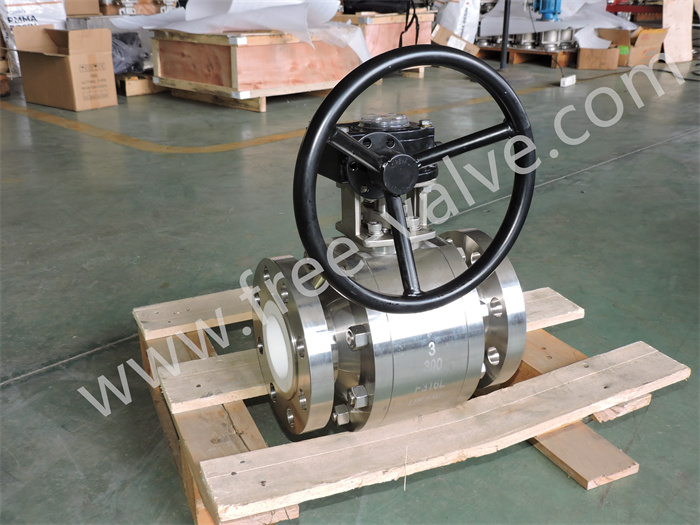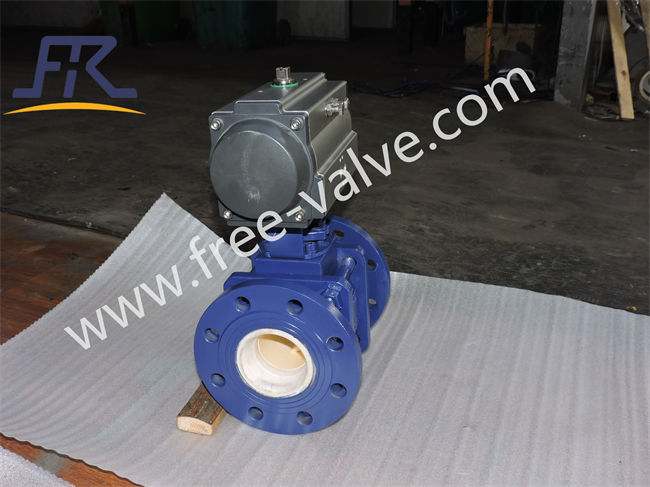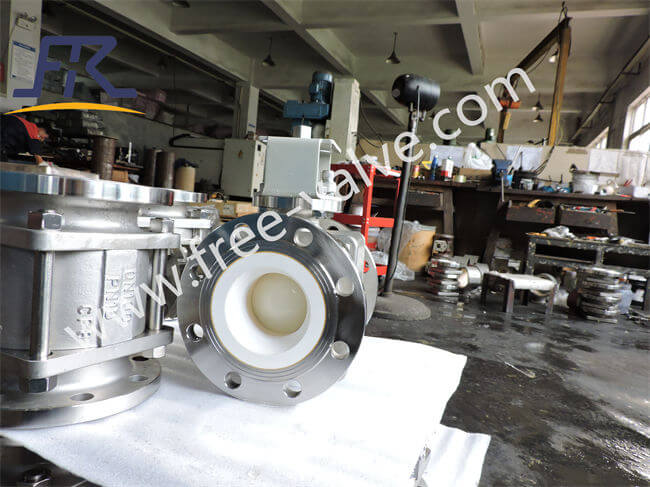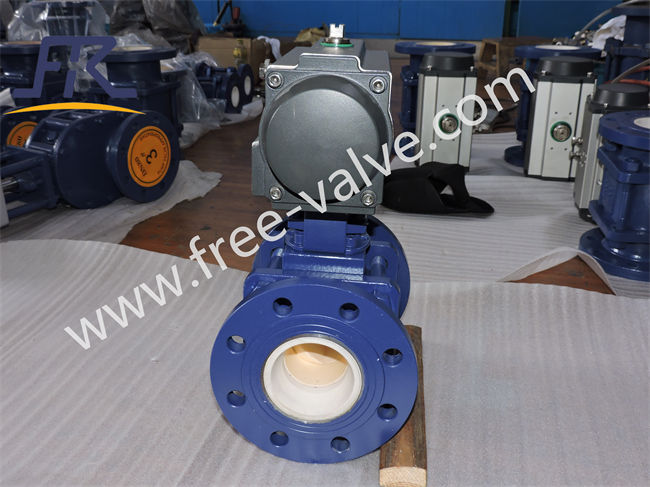
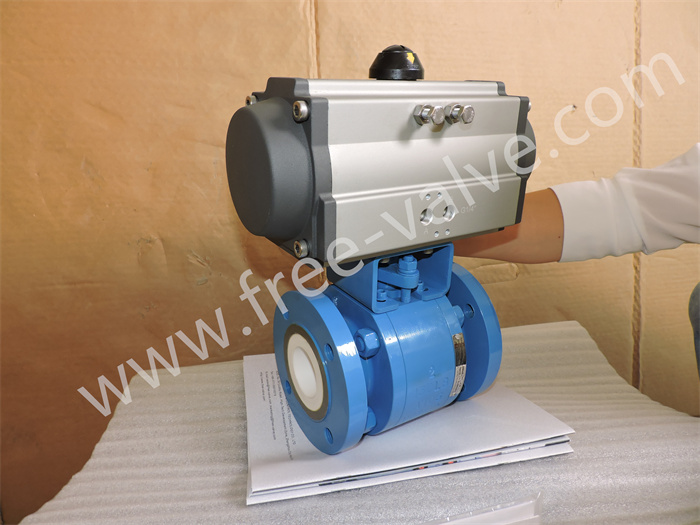
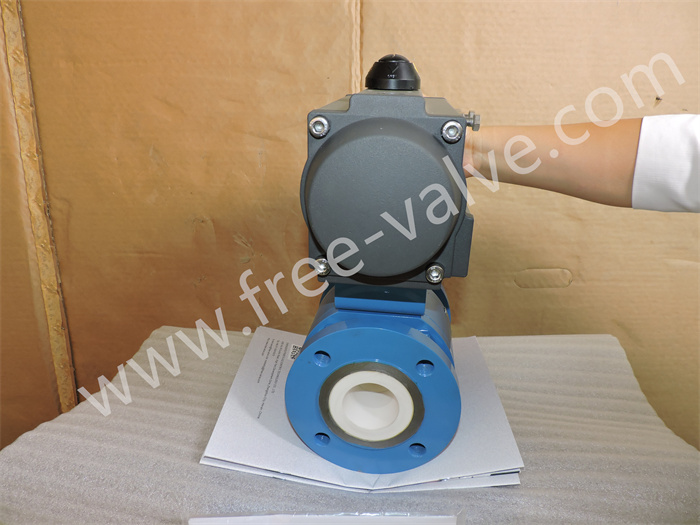
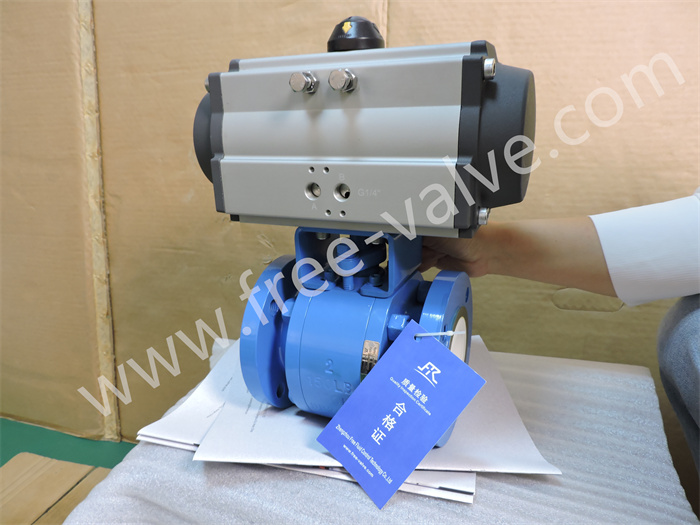
FRQ641TC Ceramic Lined Ball Valve
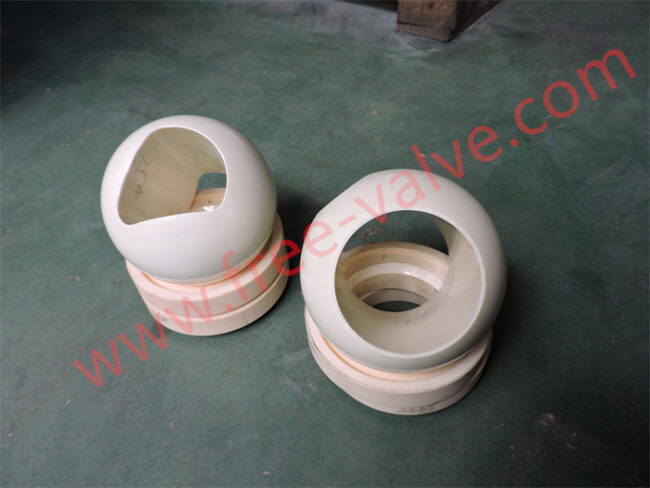
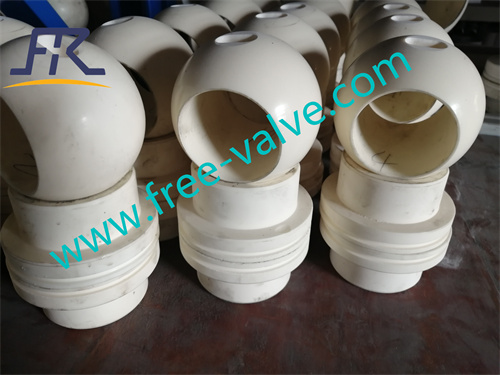
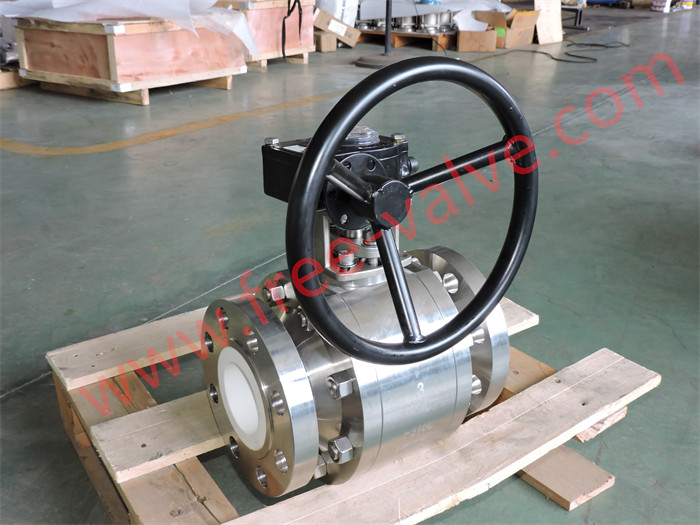
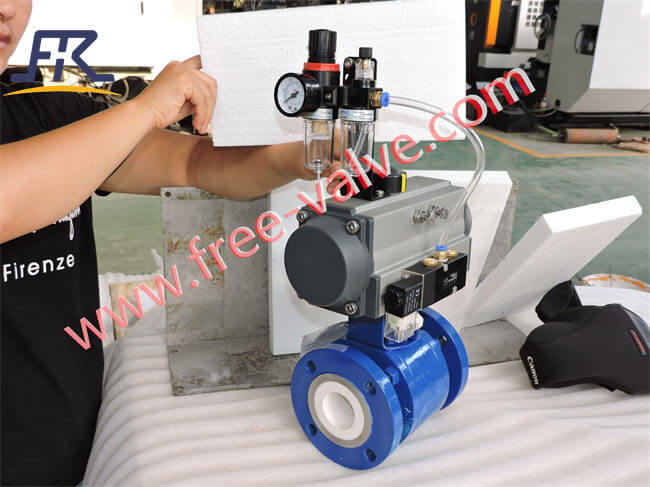
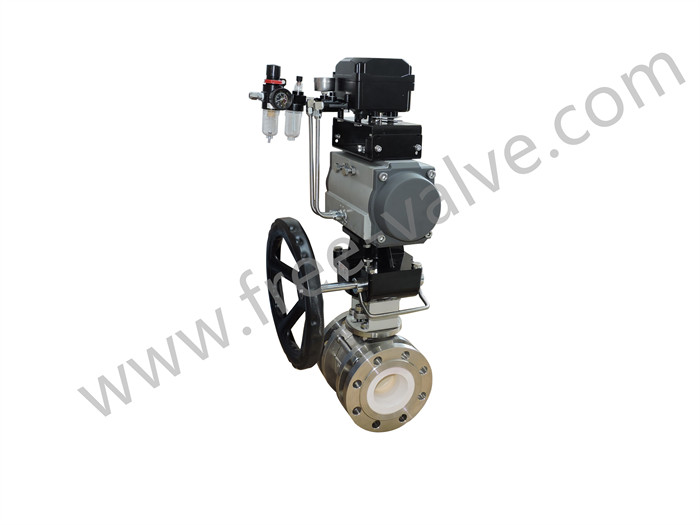
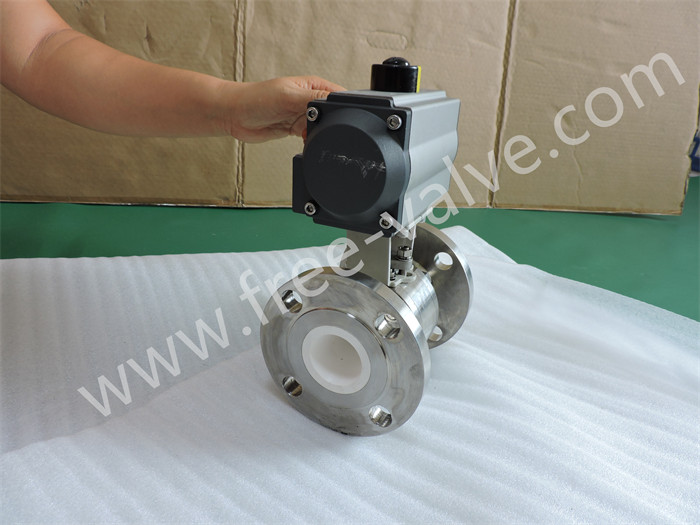
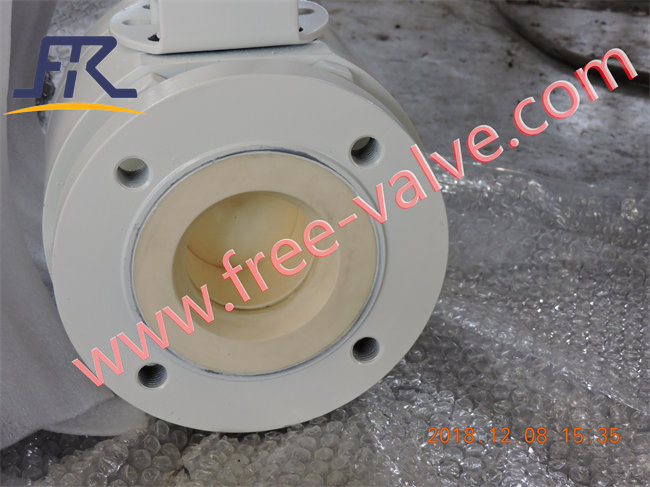
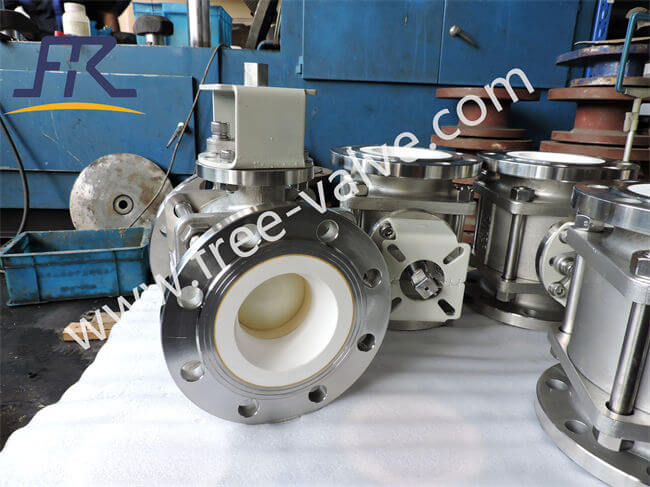
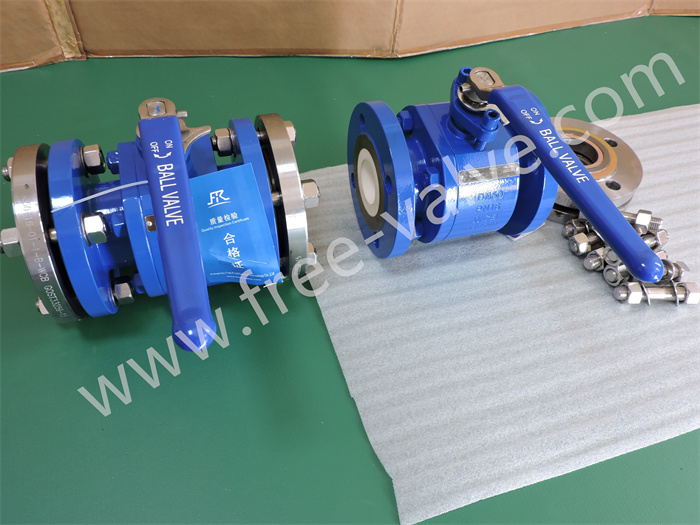
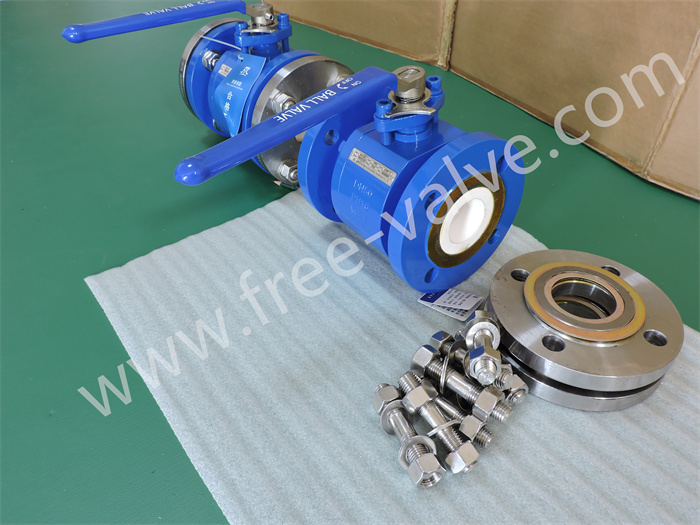
FREE-VALVE ceramic lined ball valve is a special valve that applies ceramic materials to the internal components of the ball valve. The ceramic ball serves as the opening and closing element of the valve, with common ceramic valve balls having O-shaped and V-shaped structures, using the rotational movement of the valve ball to achieve the cutting off or regulating of the medium flow.
FREE-VALVE ceramic lined ball valve is a special valve that applies ceramic materials to the internal components of the ball valve. The ceramic ball serves as the opening and closing element of the valve, with common ceramic valve balls having O-shaped and V-shaped structures, using the rotational movement of the valve ball to achieve the cutting off or regulating of the medium flow.
Features:
- Compared with traditional metal ball valves, the application of engineering structural ceramics (such as toughened zirconia ZrO₂ and alumina Al₂O₃) in regulating ball valves possesses unparalleled material properties.
- The V-shaped ball has an equal percentage (logarithmic) flow regulation feature. It maintains a stable flow state when operating at small openings, is less prone to jumping and oscillation, and has excellent fine-tuning capabilities.
- V-shaped orifice of the spherical and the valve seat have a shearing effect during the opening and closing process, which can break down and discharge the fibers, deposits or tiny solid particles mixed in the medium; the ceramic surface is smooth and does not easily adhere to the materials.
- Adopting spherical grinding sealing technology, the ceramic ball and valve seat achieve micron-level fitting. Combined with a pneumatic actuator and positioner, it provides high adjustment accuracy, ensuring zero or minimal leakage. It is possible to achieve extremely tight sealing under high pressure differences (typically reaching the VI-level leakage standard).
- The ceramic surface has high smoothness, making it difficult for polymers in the medium to adhere and agglomerate, thereby reducing jamming.
- Excellent corrosion resistance: Ceramics are chemically inert to almost all acids, bases, salts and organic solvents, fundamentally solving the problem of chemical corrosion caused by media such as sulfuric acid.
Technical Specification
| 1 | Size Range | NPS2~NPS8,DN50~DN200 |
| 2 | Nominal pressure | Class 150 /PN6 /PN10 |
| 3 | Applicable Temperature | 0~200℃ |
| 4 | Connection Type | Flange |
| 5 | Ball | ZrO2 ceramic |
| 6 | Seat,lining | ceramic |
| 7 | Pressure test | GB/T13927, API598 |
| 8 | Face to Face | GB/T12221, ASME B16.10 |
| 9 | Operating Type | Pneumatic |
| 10 | Flange Standards | ASME B16.5,GB/T9113 |
Main outline and connection dimensions
| DN | PN | L | H1 手柄 | H2手轮 | ||
| DN25 |
PN10 PN16 PN25 Class150 |
127 | 140 | 72 | 226 | |
| DN32 | 140 | 165 | 88 | 238 | ||
| DN40 | 165 | 165 | 110 | 260 | ||
| DN50 | 178 | 203 | 118 | 287 | ||
| DN65 | 190 | 222 | 131 | 300 | ||
| DN80 | 203 | 241 | 150 | 330 | ||
| DN100 | 229 | 305 | 175 | 358 | ||
| DN125 | 356 | 392 | ||||
| DN150 | 394 | 430 | ||||
| DN200 | 457 | 462 | ||||
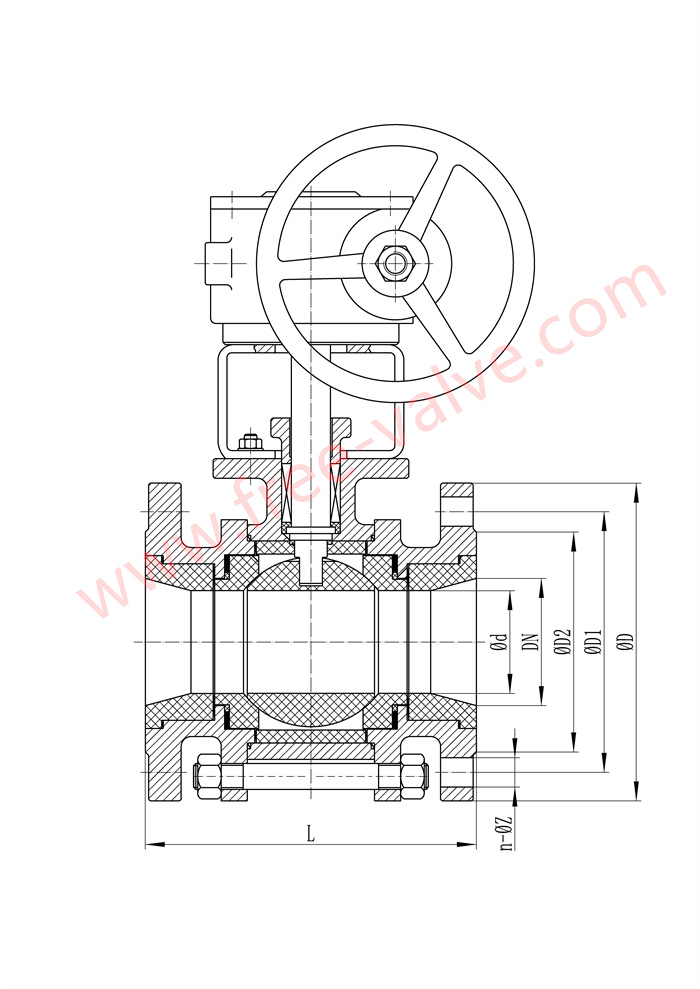
| DN | d | PN | L1 | L2 | D | D1 | D2 | n-M/n-∅Z | |
| DN25 | 20 |
PN10
|
127 | 140 | 115 | 85 | 68 | 4-M12/4-∅14 | |
| DN32 | 25 | 140 | 165 | 140 | 100 | 78 | 4-M16/4-∅18 | ||
| DN40 | 32 | 165 | 165 | 150 | 110 | 88 | 4-M16/4-∅18 | ||
| DN50 | 40 | 178 | 203 | 160 | 125 | 99 | 4-M16/4-∅18 | ||
| DN65 | 50 | 190 | 222 | 180 | 145 | 118 | 4-M16/4-∅18 | ||
| DN80 | 65 | 203 | 241 | 200 | 160 | 132 | 8-M16/8-∅18 | ||
| DN100 | 80 | 229 | 305 | 220 | 180 | 156 | 8-M16/8-∅18 | ||
| DN125 | 100 | 356 | 250 | 210 | 186 | 8-M16/8-∅18 | |||
| DN150 | 125 | 394 | 285 | 240 | 210 | 8-M20/8-∅22 | |||
| DN200 | 150 | 457 | 340 | 295 | 266 | 8-M20/8-∅22 | |||
Note: Our company also produces other pressure grade products, flange connection size according to customer requirements according to GB/T9113 ,ASME B16.5 or JIS B2220.
Application
FREE-VALVE ceramic lined ball valve adopts the lining structural ceramics, ceramic ball valves achieve levels of high temperature resistance, wear resistance, corrosion resistance, and slurry flow regulation that are difficult for metal valves to meet, thereby expanding the application fields of ball valves.They are ideal alternatives to expensive precious metal materials such as Monel alloy, titanium alloy, and Hastelloy, generally extending the service life by 2-4 times. Ceramic valves will be widely used in industries such as petrochemicals, pharmaceuticals, and papermaking.